
travel · 10min read · 2026-03-03
Kintsugi Workshop Experiences in Japan: A Complete Guide
Where to experience kintsugi (golden repair) in Japan: workshops in Tokyo, Kyoto, and Kanazawa, what to expect, traditional vs modern techniques, and booking tips.
Key Takeaways
- Kintsugi repairs broken ceramics with urushi lacquer and powdered gold
- The philosophy celebrates imperfection rooted in wabi-sabi and Zen Buddhism
- Workshops are available in Tokyo, Kyoto, and Kanazawa for visitors
- Traditional urushi lacquer can cause allergic reactions in sensitive individuals
- A kintsugi-repaired object is considered more valuable than the original
The bowl was in three pieces. A tea bowl, celadon green, with a hairline crack running diagonally from the rim and a triangular chip missing near the base. The instructor placed a small dish of urushi lacquer on the table -- dark amber, with the viscosity of warm honey -- and said, "The crack is not the problem. The crack is the story."
I was sitting in a converted machiya townhouse in Kyoto, one of eight participants in a kintsugi workshop that would take the entire afternoon. By the end of the session, that broken bowl would be joined back together with lacquer dusted in gold, the fracture lines transformed into luminous veins running across the ceramic surface. The bowl would be more interesting broken and repaired than it ever was whole. That is the entire philosophy of kintsugi compressed into a single sentence.
Kintsugi -- literally "golden joinery" -- is the Japanese art of repairing broken ceramics with lacquer and gold. It emerged from the intersection of Japanese aesthetics (wabi-sabi), Zen philosophy (impermanence), and extraordinary craft skill (urushi lacquerwork). Today, it is one of the most sought-after cultural experiences in Japan, available through workshops in Tokyo, Kyoto, Kanazawa, and other cities. This guide covers the history, the process, the best workshops, and everything you need to know before booking.
⚕️ Disclaimer
What Is Kintsugi?
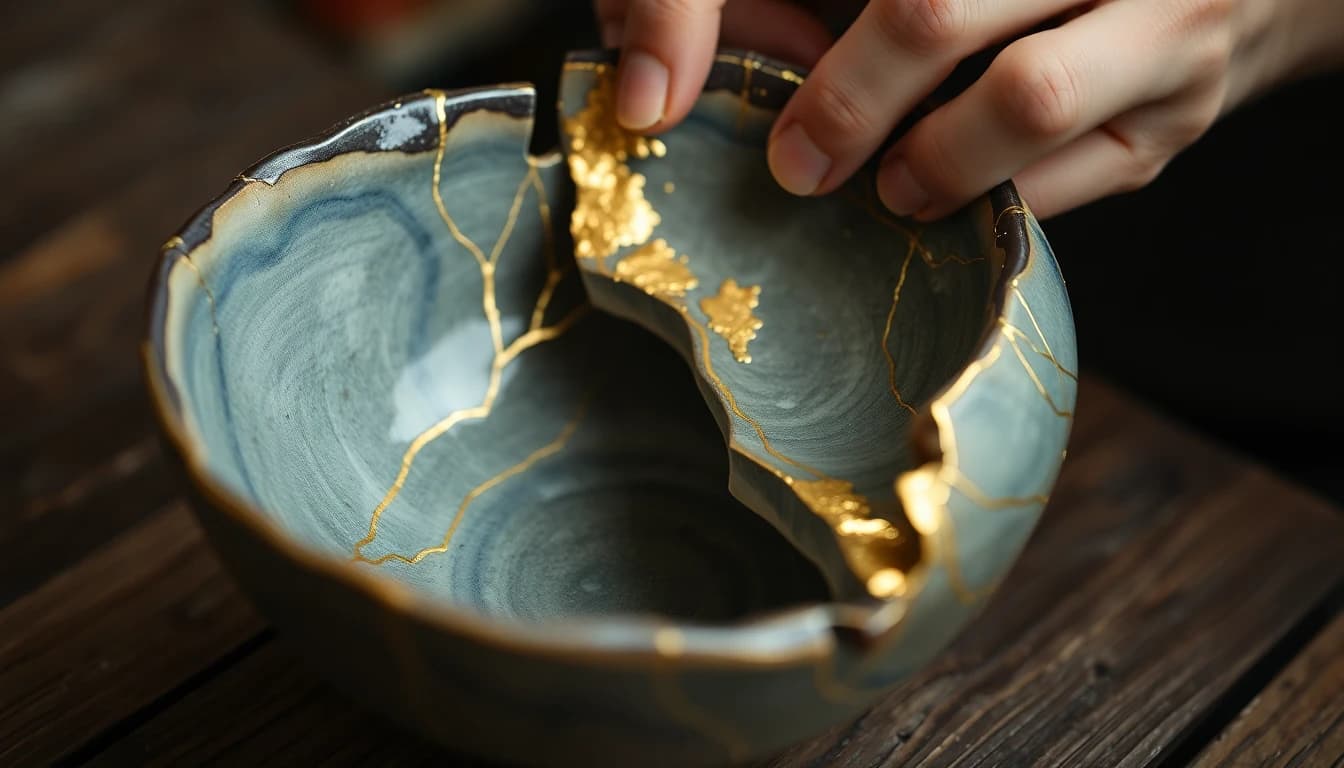
Kintsugi is the practice of repairing broken pottery using urushi (natural lacquer from the lacquer tree, Toxicodendron vernicifluum) mixed with powdered gold, silver, or platinum. Rather than disguising the damage, kintsugi highlights it. The repaired fracture lines become golden seams -- visible, beautiful, and deliberately celebrated.
The philosophy behind kintsugi is rooted in several intersecting Japanese aesthetic and spiritual concepts:
- Wabi-sabi: The appreciation of imperfection, impermanence, and incompleteness as sources of beauty
- Mushin: The acceptance of change and the release of attachment to outcomes
- Mono no aware: An awareness of the transience of things, which deepens rather than diminishes their beauty
In practical terms, a kintsugi-repaired object becomes more valuable than the original. Tea ceremony masters in the Muromachi period prized repaired bowls precisely because the gold seams told a story -- of use, of accident, of repair, of continuation. The object's history became part of its aesthetic identity (Source: Britannica, Kintsugi).
A Brief History of Kintsugi
(Source: Wikipedia, Kintsugi)
Traditional Urushi vs. Modern Resin: Understanding the Two Approaches
Before booking a workshop, you need to understand the fundamental difference between the two methods offered in Japan.
Traditional Urushi Kintsugi
The authentic method uses urushi -- natural lacquer harvested from the sap of the lacquer tree. Urushi has been used in Japanese lacquerware for thousands of years. It is extraordinarily durable, waterproof, and develops a deeper luster over time.
- Process duration: A single repair takes 1-3 months to complete, involving 10-14 separate stages with drying periods between each
- Materials: Natural urushi lacquer, rice or wheat flour (to create adhesive paste), tonoko clay powder (for filling gaps), and pure gold, silver, or platinum powder
- Skill required: Extremely high -- urushi handling requires experience to judge drying conditions, application thickness, and the precise moment to dust gold onto the surface
- Result: Museum-quality repair that is food-safe, waterproof, and will last centuries
- Allergenic risk: Urushi contains urushiol, the same compound found in poison ivy, and can cause contact dermatitis in approximately 50 percent of people on first exposure
Modern Resin (Epoxy) Kintsugi
The workshop-friendly alternative uses food-grade epoxy resin as the adhesive, with gold or gold-colored powder applied to the surface. This method was developed specifically to allow visitors to complete a repair in a single session.
- Process duration: 1-3 hours, with the finished piece ready to take home the same day
- Materials: Two-part epoxy resin, gold-colored or real gold powder, and sometimes acrylic paint
- Skill required: Low -- suitable for beginners and children
- Result: Decorative repair that captures the visual effect of kintsugi but lacks the durability and food-safety of traditional urushi
- Allergenic risk: Minimal
How Kintsugi Works: The Traditional Process
Understanding the full traditional process deepens your appreciation of what workshop instructors are teaching, even in shortened formats.
(Source: Kogei Japonica, Traditional Japanese Kintsugi Repair)
Best Kintsugi Workshop Experiences in Japan
Tokyo
TSUGU TSUGU Kintsugi Workshop, Omotesando
- Format: Half-day workshop (approximately 2.5 hours) using simplified urushi or modern resin method
- Instructor: World-renowned ceramic artist and kintsugi master Taku Nakano, teaching directly in English
- Price range: 8,000-15,000 yen depending on format
- What you make: Repair a pre-broken ceramic piece (tea bowl, small plate, or cup) and take it home
- Language: English instruction standard
- Booking: Through the TSUGU TSUGU website, advance reservation required
- Location: Omotesando area, easily accessible from Omotesando or Meiji-Jingumae stations
TSUGU TSUGU is Tokyo's leading kintsugi studio and offers the most polished visitor experience in the city. The Omotesando workshop space is intimate (maximum 8 participants), well-lit, and all materials are provided. Taku Nakano's English is fluent and his explanations bridge technical craft and philosophical context naturally.
(Source: TSUGU TSUGU)
Deeper Japan Kintsugi Intensive, Tokyo
- Format: Multi-session intensive course (6 sessions over 5 months) using traditional urushi and real gold
- Price range: 120,000-150,000 yen for the full course
- What you make: Complete an authentic kintsugi repair from start to finish, including curing periods
- Language: English instruction
- Booking: Through Deeper Japan website, limited availability
- Best for: Visitors with extended stays in Tokyo or residents seeking genuine mastery
This is the closest you can get to traditional kintsugi training without apprenticing under a master. The extended timeline allows for proper urushi curing between sessions, and the result is a museum-quality repair using pure gold.
(Source: Deeper Japan)
Kyoto
Kintsugi Workshop kulukulu, Kyoto
- Format: 2-hour workshop using simplified method
- Price range: 5,000-8,000 yen
- What you make: Repair a small ceramic piece (chopstick rest, small dish, or pendant) with gold-colored powder
- Language: English instruction available
- Booking: TripAdvisor or direct booking, reservations recommended
- Location: Central Kyoto, walkable from major temples
Kulukulu offers the most accessible entry point in Kyoto. The 2-hour format fits easily into a day of temple visits, and the small items you create (especially the chopstick rests and pendants) are practical souvenirs that pack well for travel.
Sharing Kyoto Master Craftsman Workshop
- Format: 3-hour workshop with a recognized master craftsman
- Price range: 12,000-18,000 yen
- What you make: Repair a tea bowl using traditional techniques (simplified for a single session)
- Language: English translation provided
- Booking: Through Sharing Kyoto, advance reservation required
- Location: Traditional machiya townhouse in central Kyoto
This is Kyoto's premium kintsugi experience. Learning from a designated master craftsman (a formal title in Japan's traditional craft certification system) adds authority and depth that casual workshops cannot match. The machiya setting -- a traditional wooden townhouse with earthen walls and paper screens -- immerses you in the aesthetic world that produced kintsugi.
(Source: Sharing Kyoto)
Kanazawa
Kanazawa is Japan's gold leaf capital, producing over 99 percent of the country's kinpaku (gold leaf). This makes it a naturally fitting location for kintsugi, which uses gold powder or gold leaf as its finishing material.
Kanazawa Kintsugi Experiences
- Format: 2-3 hour workshops, typically combined with gold leaf craft experiences
- Price range: 6,000-12,000 yen
- What you make: Repair a small ceramic piece, often using Kanazawa-produced gold leaf alongside gold powder
- Language: English support varies -- confirm when booking
- Booking: Through Kanazawa tourism offices or hotel concierges
The unique advantage of Kanazawa workshops is the connection to the city's gold leaf industry. Some studios offer combined experiences: kintsugi repair followed by a tour of a gold leaf production workshop, giving you a complete understanding of the material that makes kintsugi luminous.
What to Expect at a Workshop
Before You Arrive
- Reservation: All workshops require advance booking, typically 3-7 days minimum. Peak seasons (March-May, October-November) may require 2-3 weeks advance notice
- Duration: Plan for 2-3 hours for standard workshops, half a day for intensive sessions
- What to wear: Comfortable clothing you do not mind getting small lacquer stains on. Urushi (even modern substitutes) can stain permanently. Most studios provide aprons, but long sleeves are recommended
- Allergies: Inform the studio of any latex, plant, or lacquer allergies before arrival
During the Workshop
- Materials provided: All workshops supply ceramics, lacquer, gold powder, tools, and protective equipment
- Instruction style: Japanese craft instruction tends to be demonstration-based -- the instructor shows the technique, you observe, then you practice. Do not expect lengthy verbal explanations. Watch the hands
- Pace: Unhurried. The philosophy of kintsugi permeates the teaching method. Rushing is antithetical to the practice
- Group size: Typically 4-10 participants. Smaller groups receive more individual attention
After the Workshop
- Take-home: Most resin-based workshops let you take your piece home immediately. Some traditional workshops require a curing period and will ship the finished piece to your address (international shipping available at most Tokyo and Kyoto studios)
- Care: Resin-repaired pieces are decorative -- avoid using them for hot food or in the dishwasher. Traditional urushi repairs are food-safe and extremely durable once fully cured
- Photography: Most studios encourage photographing your work and the process
What to Bring Home
Beyond your workshop creation, Japan offers several kintsugi-related items worth seeking out:
- Kintsugi repair kits: Home kits with simplified urushi or resin, gold powder, and tools. Available at TSUGU TSUGU, Tokyu Hands, and Loft stores. Price range: 3,000-15,000 yen depending on materials
- Kintsugi-repaired antique ceramics: Antique shops in Kyoto's Teramachi and Shinmonzen streets occasionally carry vintage kintsugi pieces. Prices range from 10,000 yen for simple repairs to several hundred thousand yen for tea ceremony bowls repaired by known artisans
- Books on kintsugi philosophy: Several beautifully illustrated books are available in English at Maruzen, Kinokuniya, and Tsutaya bookstores
Connecting Kintsugi to Japan's Broader Craft Landscape
Kintsugi sits at the intersection of several Japanese craft traditions. Understanding these connections enriches both the workshop experience and your broader travels in Japan.
Urushi Lacquerware
The lacquer that binds kintsugi repairs is the same material used in Japan's lacquerware tradition, which dates back over 9,000 years. Wajima in Ishikawa Prefecture (two hours from Kanazawa by bus) is Japan's premier lacquerware production center, where artisans apply over 100 coats of urushi to create objects of extraordinary depth and durability.
For a deeper exploration of Japanese lacquerware, read our Wajima lacquerware guide.
Ceramics and Pottery
Kintsugi exists because pottery breaks. Understanding Japanese pottery styles helps you appreciate what is being repaired. Japan has six ancient kilns (Rokkokyo) -- Bizen, Seto, Tokoname, Echizen, Shigaraki, and Tamba -- each producing ceramics with distinct character, glaze, and form. Many kintsugi workshops use pieces from these kilns, connecting your repair to a specific ceramic lineage.
Our Japanese pottery guide covers the major styles and regions in detail.
Kyoto Artisan Walks
If your kintsugi workshop is in Kyoto, extend your craft exploration by walking through the city's artisan districts. Gojo-zaka (ceramics), Nishijin (textiles), and Higashiyama (mixed crafts) are all walkable and filled with studios that welcome visitors.
See our Kyoto artisan walks guide for detailed walking routes.
My Experience: Kintsugi in a Kyoto Machiya
I chose a workshop in Kyoto because I wanted the setting to match the practice. The studio occupied the ground floor of a machiya -- a traditional wooden townhouse with a narrow frontage and a deep interior that opened onto a small courtyard garden. The instructor, a woman in her sixties who had trained in urushi work for thirty years, spoke softly and moved with the economy of motion that characterizes Japanese craft mastery.
She placed a broken tea bowl in front of me -- a Shigaraki piece with a rough, earthy glaze and a clean break into two halves. "This bowl is forty years old," she said. "It broke last month. Now it will become something new."
The first challenge was the lacquer itself. Urushi is not like glue from a tube. It has a specific viscosity that changes with temperature and humidity, and applying it in a thin, even line along a fracture edge requires a steadiness of hand I did not immediately possess. My instructor corrected my grip twice, repositioned my elbow once, and then stood silently behind me while I worked. Her presence was instruction enough.
The moment that stayed with me was dusting the gold. After the adhesive had set enough to hold (we used a rapid-cure method for the workshop), I painted a thin line of colored lacquer along the seam and then, using a cotton-wrapped stick, tapped gold powder onto the surface. The first tap was too heavy -- a cloud of gold landed on the surrounding glaze. The second was better. By the fifth, I had found a rhythm: tap, rotate, tap, rotate. The gold settled into the lacquer and the fracture line transformed from a scar into something I could not stop looking at.
I brought that bowl home. It sits on a shelf where I see it every morning. The repair is imperfect -- the gold line wavers where my hand was unsteady, and there is a thin spot near the rim where I did not apply enough lacquer. But those imperfections are mine, and they are part of the bowl's story now. That is kintsugi.
Practical Tips for Booking
- Book early: Popular workshops in Kyoto and Tokyo fill 2-3 weeks in advance during peak tourist seasons
- Check the method: Confirm whether the workshop uses traditional urushi or modern resin before booking. Both are valuable experiences, but they are fundamentally different
- Ask about take-home: If you want to bring your piece home the same day, choose a resin-based workshop. Traditional urushi requires weeks of curing
- Consider combining: Several studios in Kyoto and Kanazawa offer combination workshops -- kintsugi plus pottery painting, gold leaf, or tea ceremony. These full-day experiences provide deeper cultural context
- Solo travelers welcome: Most workshops accommodate individual bookings, not just groups
- Children: Resin-based workshops typically accept children aged 6 and above with adult supervision. Traditional urushi workshops are generally adults only due to allergy risk
- Budget: Entry-level workshops start at approximately 5,000 yen (around $33 USD). Master craftsman sessions run 12,000-18,000 yen ($80-120 USD). Intensive multi-session courses are 120,000+ yen ($800+ USD)
Frequently Asked Questions
Written by Hiro Miyamoto
Founder & CEO of Scratch Second. Starting from corporate sales at a South American food supplier, Hiro went on to spearhead the Japan market launch as VP of Sales at a Silicon Valley foodtech company — placing products in 2,400+ convenience stores and supplying ingredients for an international expo. He currently leads business development across Asia at one of the world's largest tech companies. Off the clock, he's a dedicated yachtsman, yogi, and sauna enthusiast who writes about the intersection of modern healthtech and Japan's timeless wellness traditions.
Related Articles
travel
Wellness Tourism in Japan: 7 Hidden Onsen Towns for the Healing Traveler
Discover 7 secret onsen towns in Japan where ancient toji healing meets modern wellness tourism. Practical guide with budgets, access, and insider tips.
travel
Tea Ceremony Experience in Japan: A First-Timer's Complete Guide to Chado
Everything you need to know about experiencing a Japanese tea ceremony: etiquette, what to expect, best venues in Kyoto, Tokyo, and Kanazawa, and booking tips.
travel
Craft Tourism in Japan 2026: A Guide to Pottery, Bladesmithing & Indigo Dyeing
The complete guide to hands-on craft experiences in Japan for 2026. Pottery, bladesmithing, and indigo dyeing — with booking tips, prices, access, and recommended regions.