
Japanese Traditional Craft · Est. 7th Century
Crafted by silent hands.
1,300 years of unbroken lineage. Four disciplines. Sourced directly from the workshops that built Japan's craft tradition — and brought to buyers worldwide who understand the difference.
日本伝統工芸 · 一子相伝の技
Why Japan
The world's oldest living culture.

Companies over 100 years old
The Country of Shinise
Years of craft lineage
Unbroken Transmission
Living National Treasures
Shokunin Kishitsu
LATEST ARTICLES
Latest Craft Articles
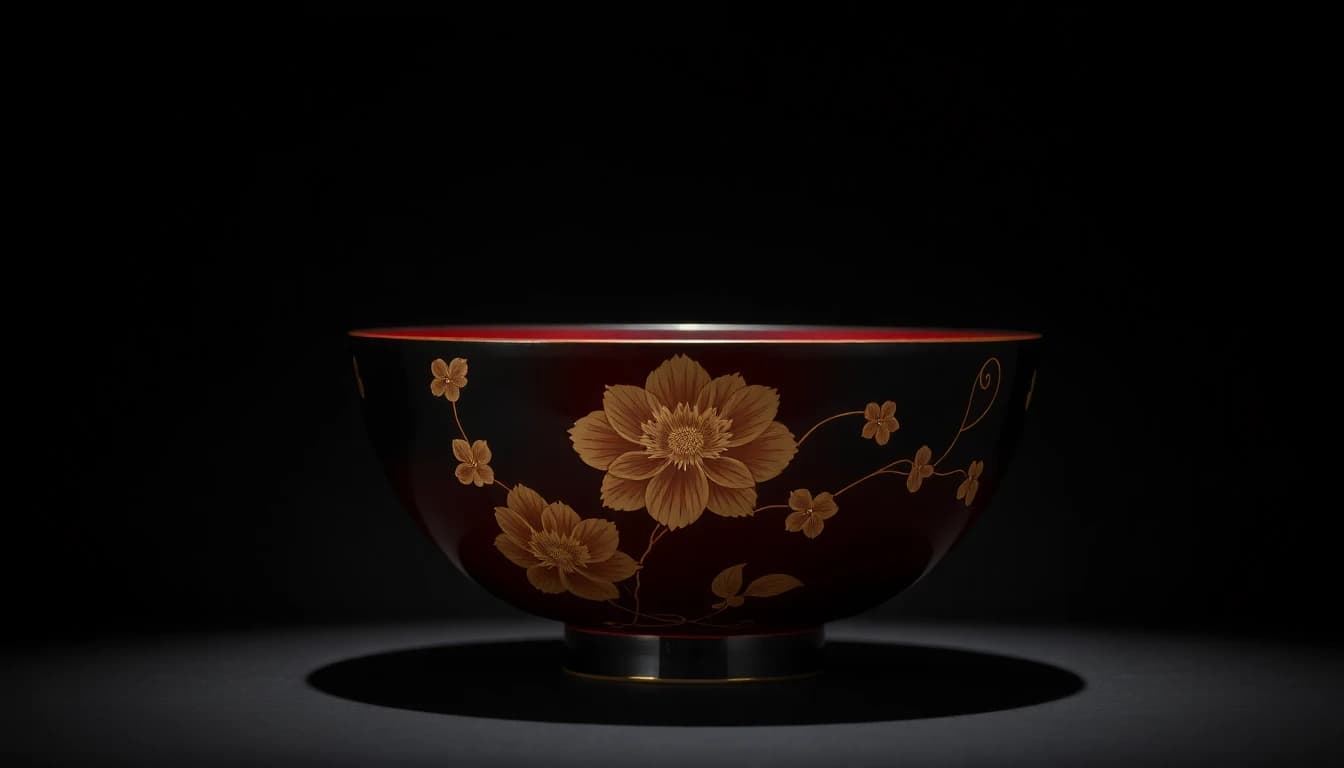
Wajima Lacquerware: Why Japan's Most Resilient Craft Deserves Your Attention
A complete guide to Wajima-nuri lacquerware — the 124-step process, how it compares to other Japanese lacquer, what to buy, where to buy, and how Wajima is r...
2026年4月6日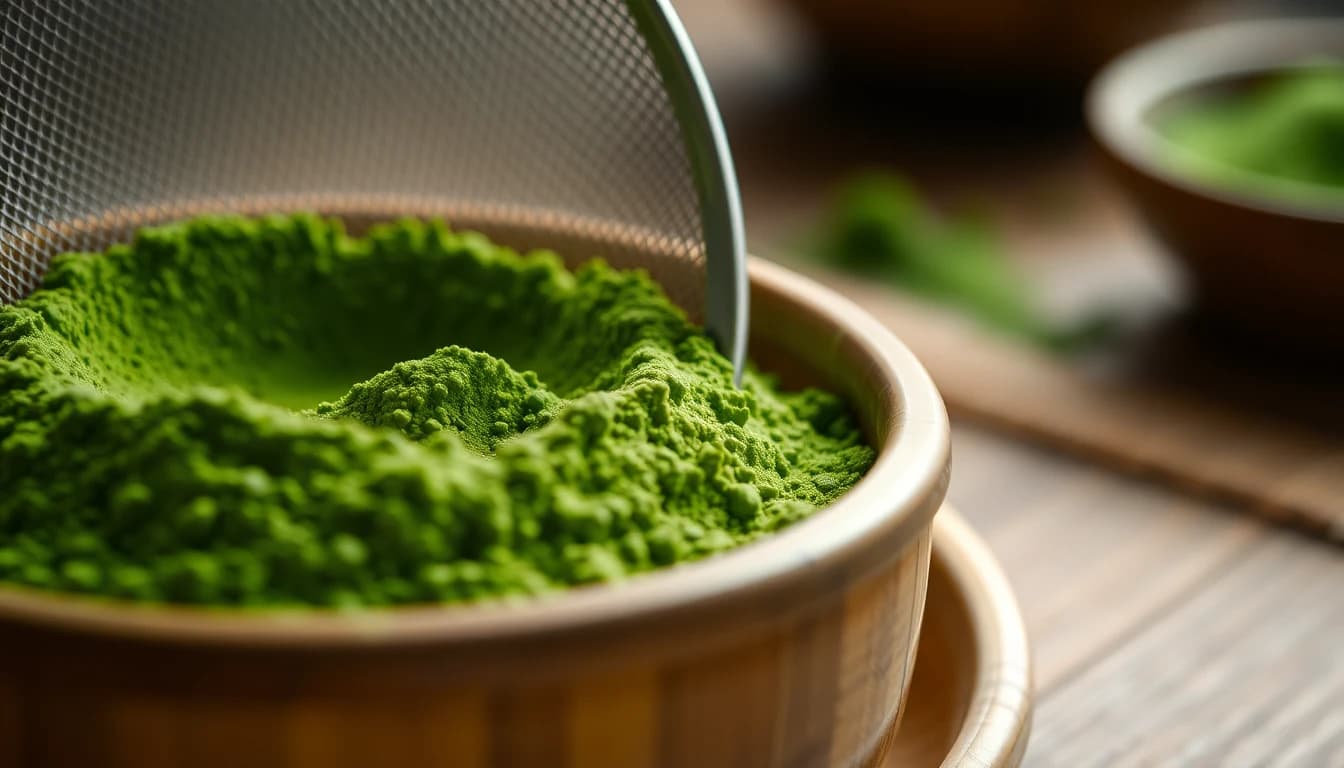
Japan's Matcha Exports Surpass 10,000 Tons for the First Time in 71 Years
In 2025, Japanese tea exports exceeded 10,000 tons for the first time since 1954. Behind the matcha boom lies a deepening supply shortage, soaring prices, and a structural shift in Japan's tea farming industry.
2026年4月4日
Why HOSOO Moves the World — A 327-Year-Old Nishijin Weaver's Path to Dior and Chanel
How HOSOO, a 327-year-old Nishijin-ori weaving house in Kyoto, became the textile supplier to Dior, Chanel, and Hermes. An in-depth look at their 150cm-wide loom innovation, LVMH partnership, and Milan expansion.
2026年4月4日
Sake's UNESCO Moment — How Heritage Status Is Fueling a Global Export Surge
Japan's traditional sake-brewing was inscribed on UNESCO's Intangible Cultural Heritage list in December 2024. In 2025, sake exports reached 45.9 billion yen across a record 81 countries. A deep dive into the premium sake boom and the challenges facing Japan's breweries.
2026年4月4日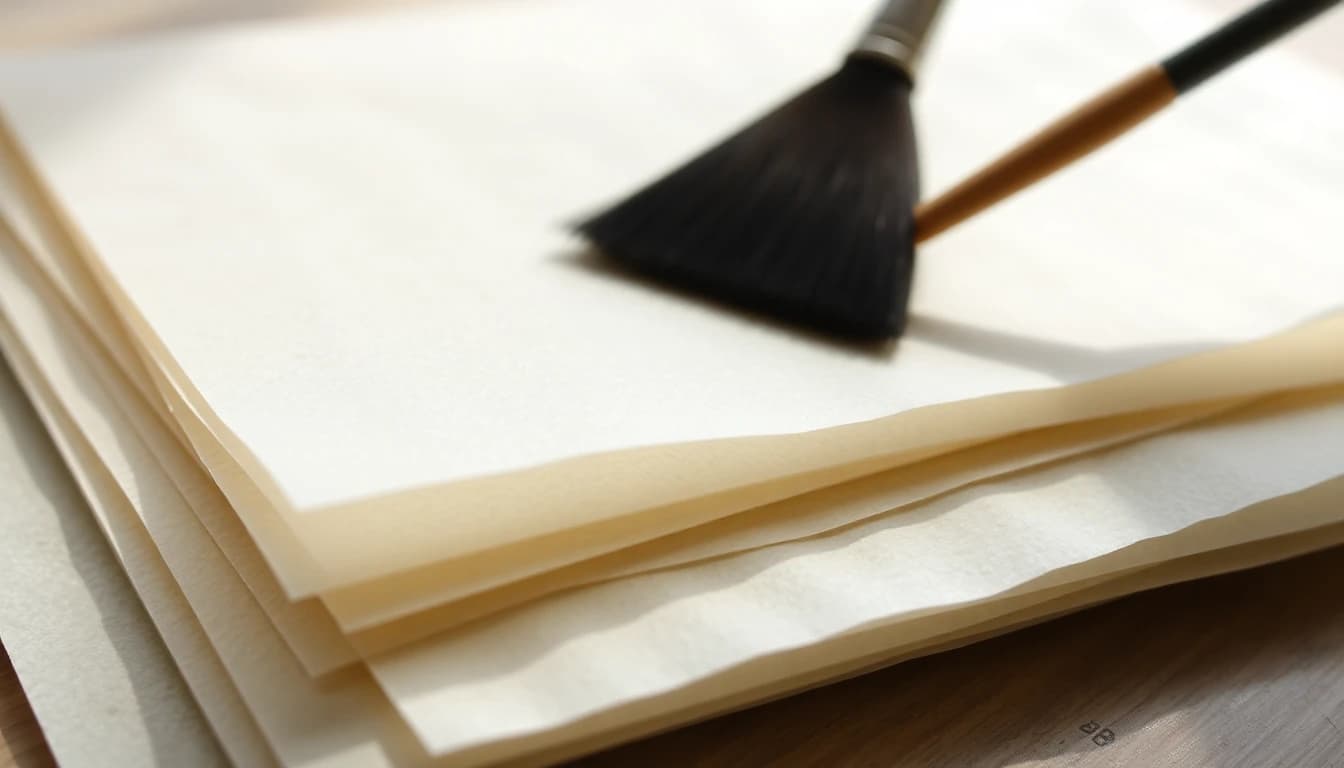
Japanese Washi Paper: The Complete Guide to Handmade Mulberry Bark Paper
Discover washi, Japan's UNESCO-recognized handmade paper. Learn about Echizen, Mino, and Tosa traditions, production methods, modern uses, and how to start collecting.
2026年4月3日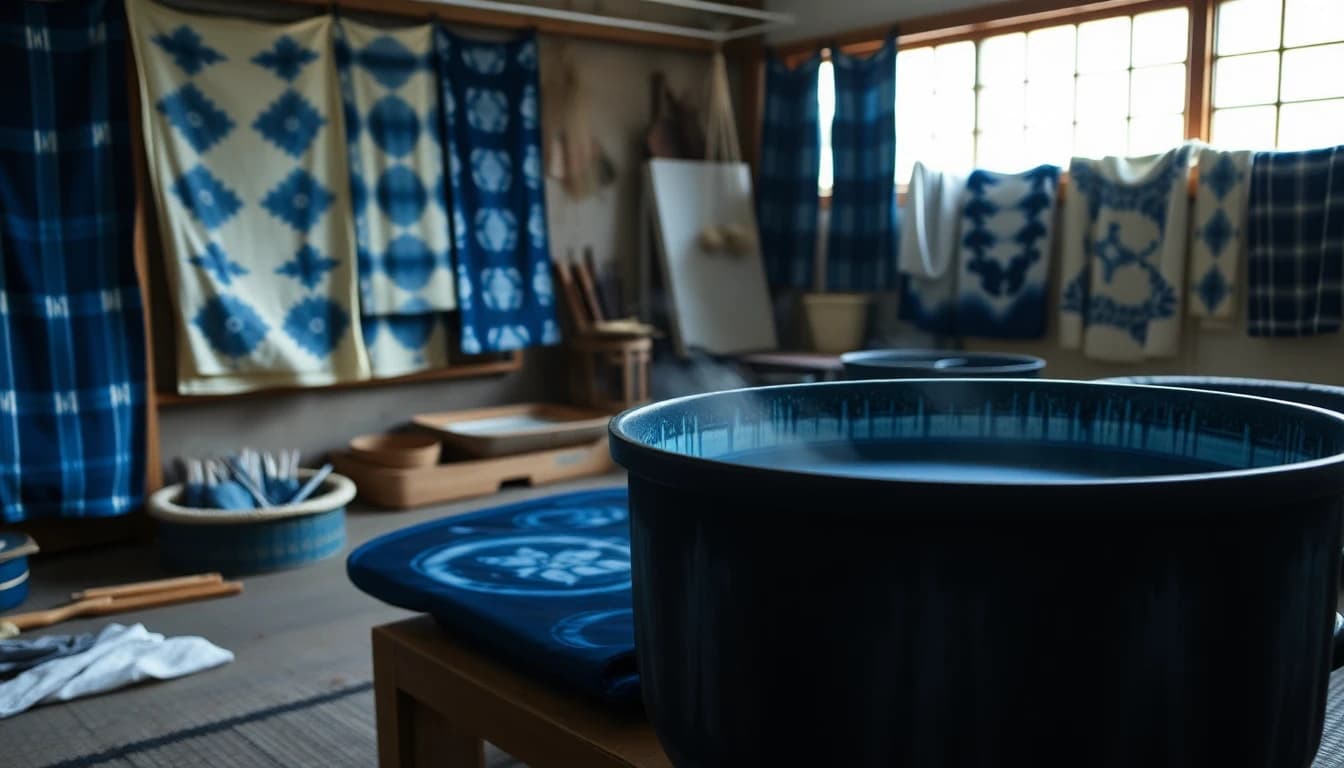
Japanese Textiles and Indigo Dyeing: A Complete Guide to Japan's Fabric Heritage
Explore Japan's textile traditions from aizome indigo dyeing to Nishijin-ori silk weaving. Covers shibori, kasuri, bingata, regional specialties, and a collecting guide.
2026年4月1日Wajima Lacquerware: Why Japan's Most Resilient Craft Deserves Your Attention
A complete guide to Wajima-nuri lacquerware — the 124-step process, how it compares to other Japanese lacquer, what to buy, where to buy, and how Wajima is r...
2026年4月6日Japan's Matcha Exports Surpass 10,000 Tons for the First Time in 71 Years
In 2025, Japanese tea exports exceeded 10,000 tons for the first time since 1954. Behind the matcha boom lies a deepening supply shortage, soaring prices, and a structural shift in Japan's tea farming industry.
2026年4月4日Why HOSOO Moves the World — A 327-Year-Old Nishijin Weaver's Path to Dior and Chanel
How HOSOO, a 327-year-old Nishijin-ori weaving house in Kyoto, became the textile supplier to Dior, Chanel, and Hermes. An in-depth look at their 150cm-wide loom innovation, LVMH partnership, and Milan expansion.
2026年4月4日Unbroken Lineage — Est. AD
A partial register of Japan's enduring craft traditions.

Philosophy
Wabi-sabi is not a trend.
The West discovered Japandi. Interior designers started specifying “wabi-sabi aesthetics.” Stores began stocking imperfect-looking ceramics made in Chinese factories. The aesthetic became a trend, and like all trends, it was instantly commodified.
The real thing is different. An authentic Bizen piece takes three months to fire. A genuine Wajima lacquer bowl requires 124 separate steps. The value is not in the appearance of imperfection — it is in the time, the accumulated skill, the specific hands.
Japanese craft is not a mood board. It is a living practice, a social contract between maker and user, a form of respect for material. Understanding this is the first step toward acquiring something genuinely worth keeping.
“Beauty is not in the object itself but in the shadows and light that the object creates around it.”
Four Disciplines
What we carry.
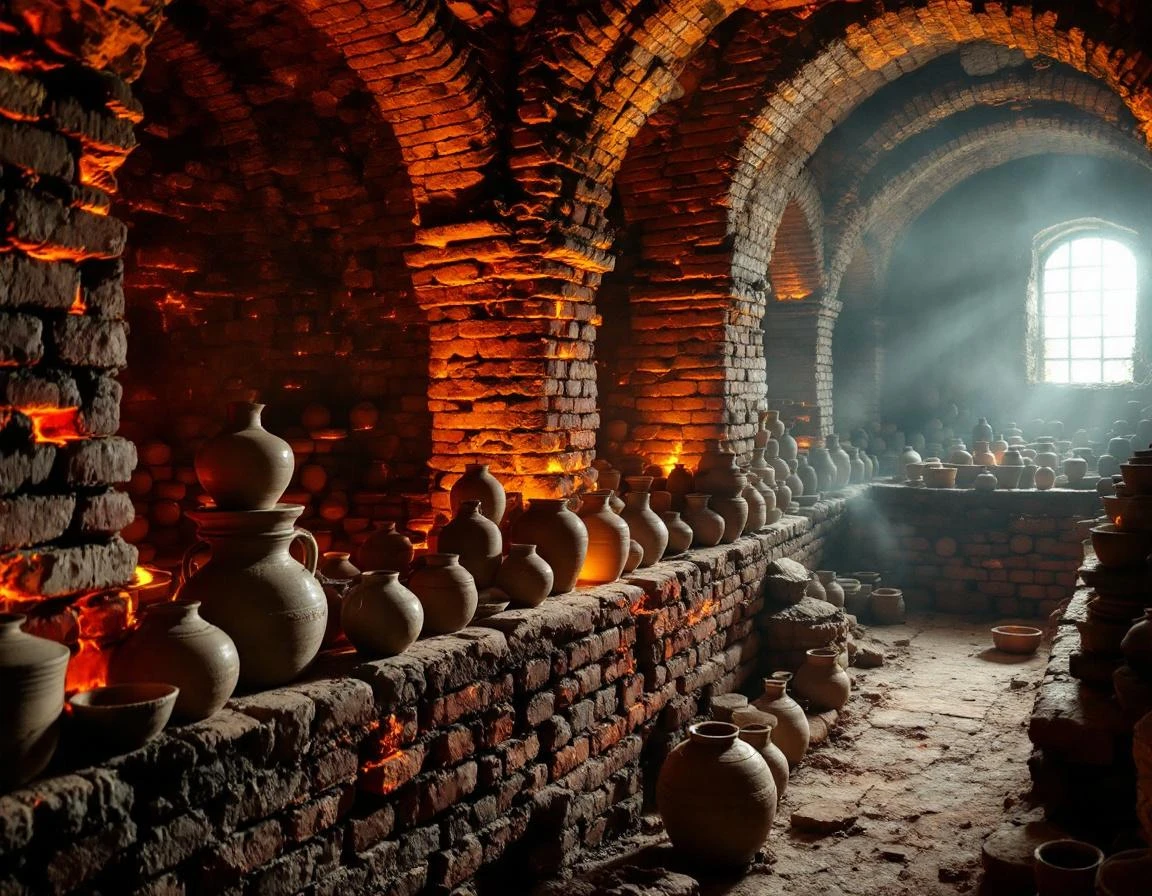
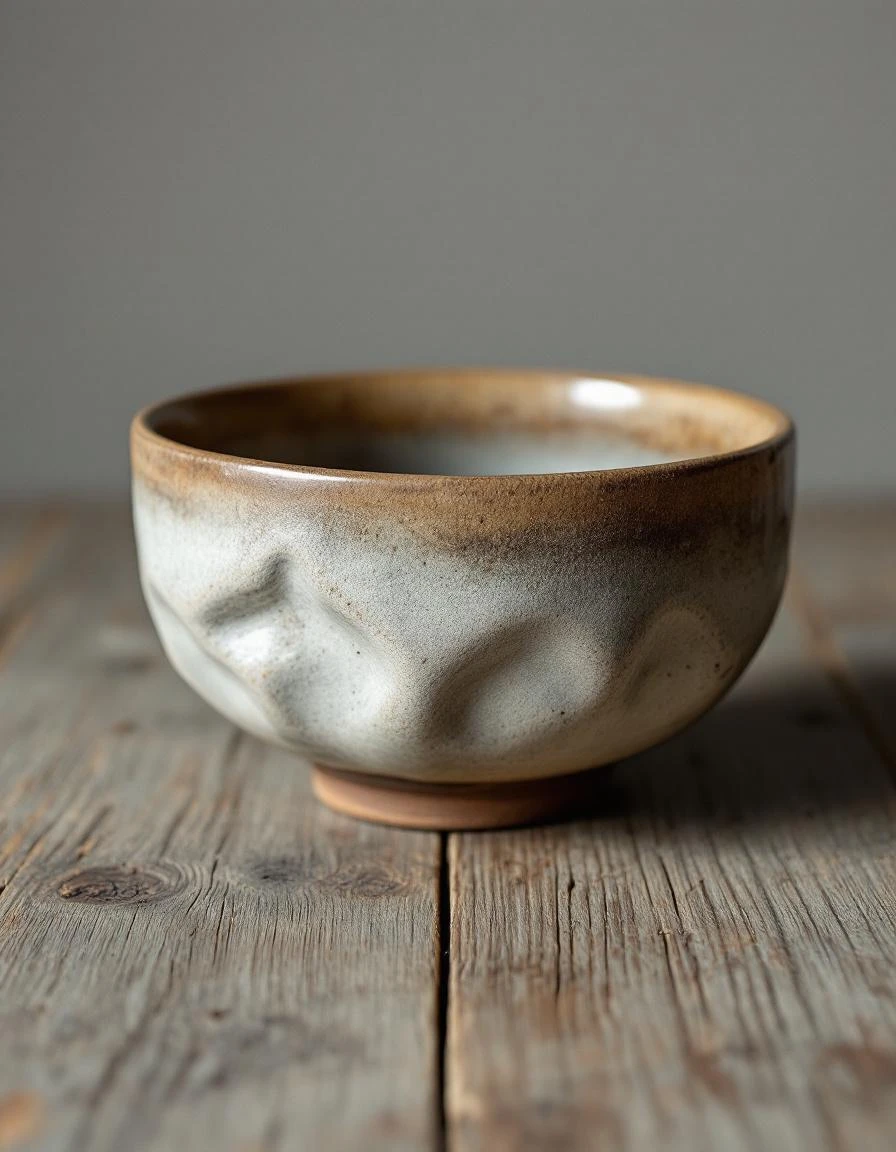
陶磁器
Ceramics
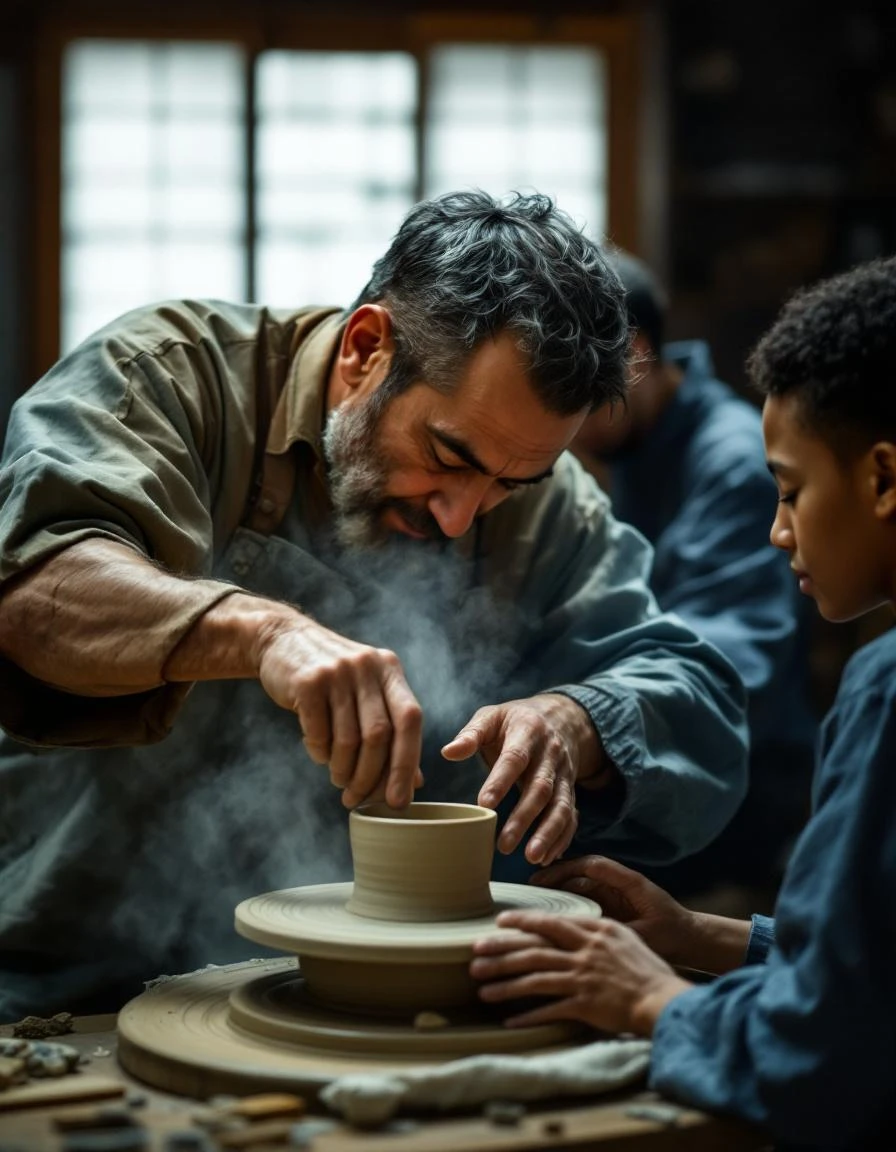
Japanese ceramics represent the deepest intersection of art, function, and philosophy. Bizen ware, fired without glaze in a 10-day kiln cycle at 1,320°C, produces surfaces that cannot be designed — only coaxed from fire and clay.
Origin
Bizen-yaki ~900AD
Firing
10-14 days
Peak
1,320°C
Regions
Bizen · Arita · Mashiko
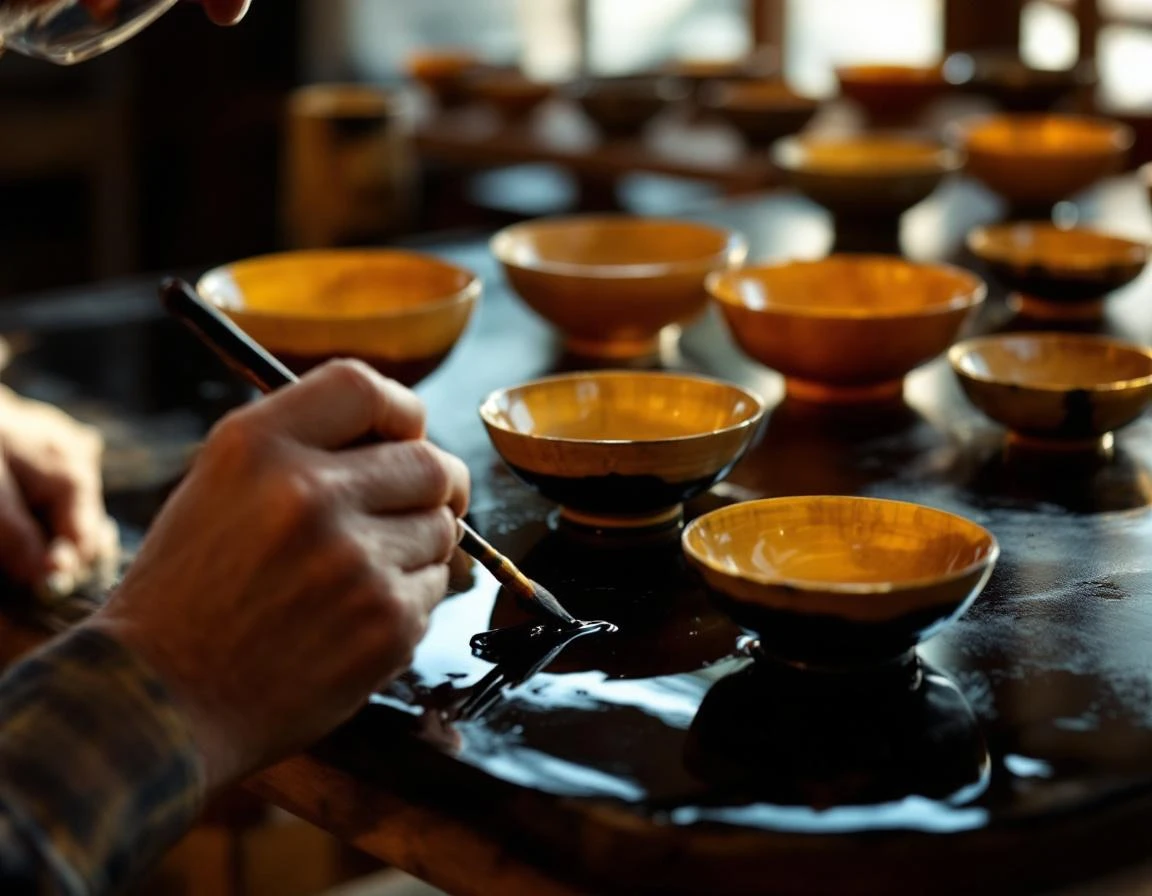
漆器
Lacquerware
Wajima-nuri lacquerware requires 124 separate steps and 4-6 months of work per piece. Each layer of urushi sap must cure completely before the next is applied. The result is a surface of extraordinary depth and durability — objects meant to last centuries.
Steps
124 steps
Time
4-6 months
Material
Urushi sap
Regions
Wajima · Echizen · Wakasa
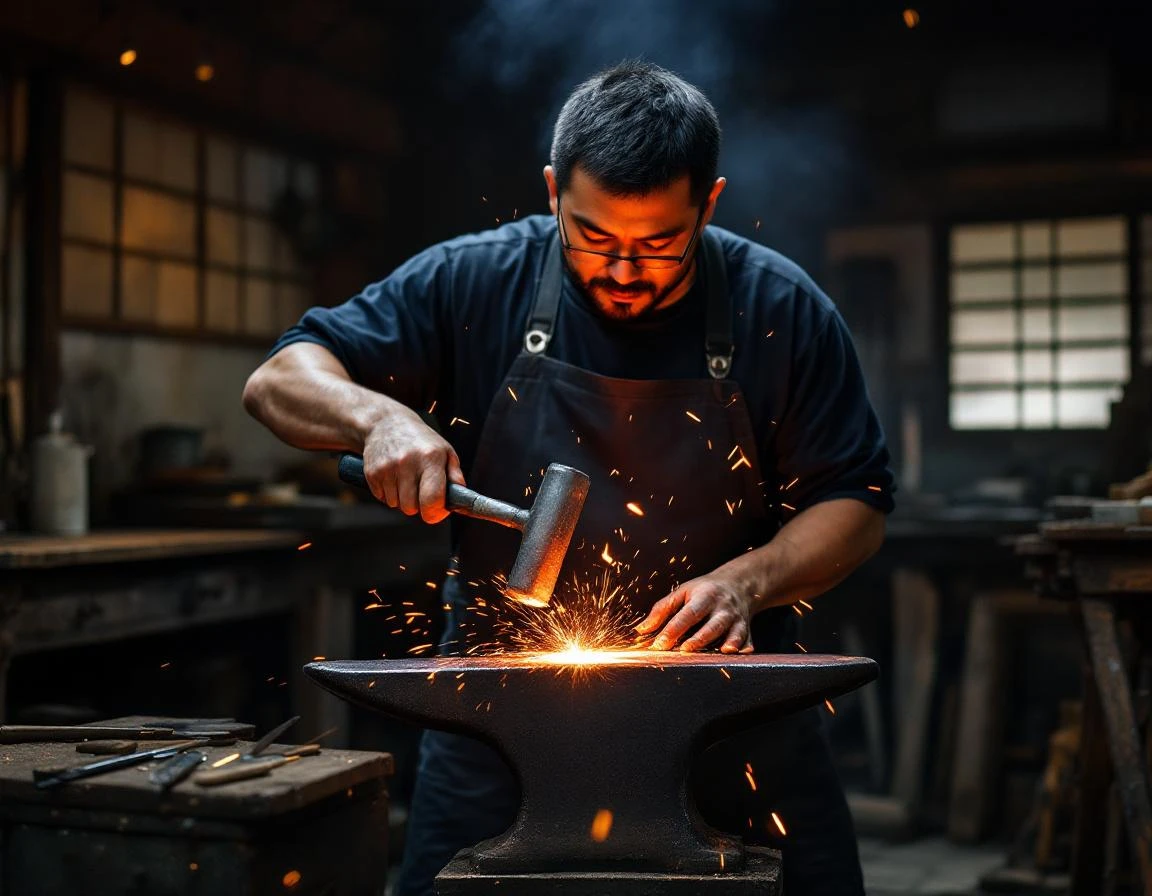
金工
Metalwork
Japanese metalwork encompasses ironware, bronze casting, and the legendary blade traditions of Tsubame-Sanjo and Sakai. Japanese knives hold a dominant share in the professional chef knife market worldwide. A single-bevel blade ground at 15° achieves a hardness of HRC 60-67 — sharper than almost any other cutting tool on earth.
Market
Leading share
Angle
15° single-bevel
Hardness
HRC 60-67
Regions
Tsubame-Sanjo · Sakai · Seki
染織
Textiles
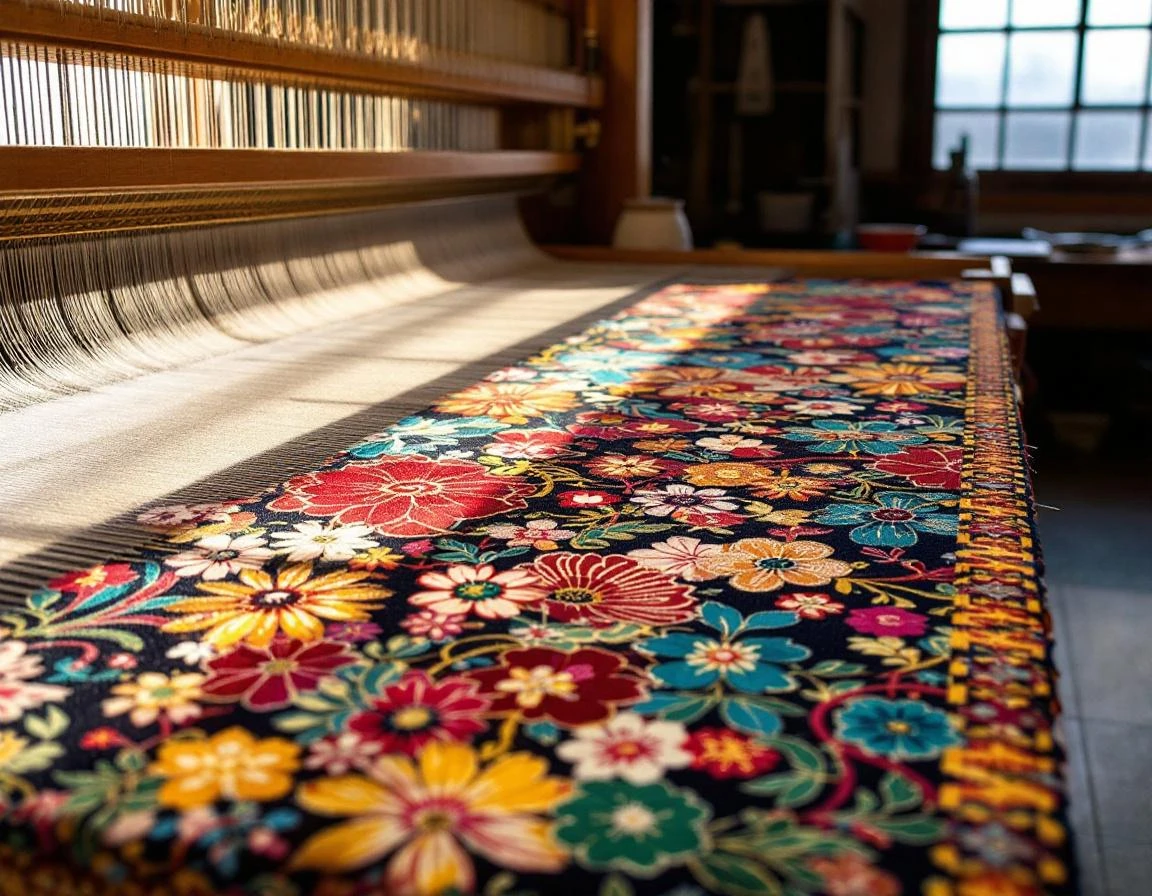
Japanese textile traditions span aizome indigo dyeing from the 3rd century, Nishijin-ori brocade woven on approximately 2,800 remaining looms, and the 5-color Kaga-yuzen silk dyeing technique. These fabrics are not fashion — they are archives of a culture's relationship to color, plant, and thread.
Origin
3rd century
Looms
~2,800 looms
Colors
5 colors
Regions
Aizome · Nishijin · Kaga
The Crisis
of workshops have no named successor
“When a Living National Treasure dies without an apprentice, a technique that took centuries to develop disappears in a single generation.”
Japan's Agency for Cultural Affairs reports that over 40% of designated traditional craft workshops lack a successor. The number of Nishijin looms has fallen from 28,000 to fewer than 2,800 in 60 years. Buying from these workshops is not a lifestyle choice — it is an act of preservation.
Gift Guide
A gift that outlasts the occasion.
Three price points, one standard: everything here is made by hand, in Japan, by someone who has been doing it for decades.
Introduction
The ideal starting point. Everyday objects made with uncommon care — chopsticks, small cups, textile pouches.
- $38
Bizen Guinomi
Small sake cup, unglazed
- $28
Aizome Pouch
Hand-dyed indigo cotton
- $24
Hashi + Rest
Chopstick set, cherry wood
- $45
Iron Trivet
Nanbu tetsubin miniature
Considered Gift
For the person who appreciates the making. Pieces with provenance — lacquer bowls, signed ceramics, dyed fabric.
- $120
Wajima Lacquer Bowl
3 coats urushi, small
- $85
Mashiko Yunomi
Tea cup, wheel-thrown
- $160
Kaga-yuzen Scarf
Silk, 5-color kimono dye
- $95
Seki Petty Knife
VG-10 steel, 150mm
Collector's Piece
Objects with permanence. Investment-grade craft — signed by the maker, documented, made to outlast the buyer.
- $380
Bizen Vase
Kiln-fired, signed, ~900°C
- $520
Wajima Jubako
Tiered lacquer box, 3-layer
- $340
Sakai Yanagiba
White steel #2, 270mm
- $680
Nishijin Obi
Silk brocade, loom-woven
Experiences
Go deeper than the object.
Six ways to engage with Japanese craft beyond purchasing — from hands-on workshops to private kiln visits.
Kintsugi Workshop
金継ぎ体験
Repair broken ceramics with gold-dusted lacquer. The Japanese art of mending that transforms damage into beauty.
Aizome Dyeing
藍染め体験
Hand-dye cotton and silk in traditional indigo vats. Each piece is unique — determined by the fold, the resist, the time in the bath.
Knife Sharpening
包丁研ぎ講座
Learn to sharpen Japanese blades on water stones. The same technique that Sakai knife makers have used for four centuries.
Tea Ceremony
茶道の手前
A full-form chado practice session using antique Raku tea bowls. Not a performance — a working lesson in presence and form.
Workshop Visits
工房見学
Private access to working kilns, lacquer studios, and blade smiths. Meet the makers. See the process. Understand the object.
Corporate Gifting
法人ギフト
Curated gift programs for companies and teams. Certified provenance, custom presentation, and bulk procurement direct from workshops.