
travel · 12min read · 2026-03-15
Meditation Retreats in Japan: Zen Temple Stays, Vipassana, and Forest Bathing
A complete guide to meditation retreats across Japan: Zen temple stays, Vipassana silent retreats, yoga programs, and forest bathing, with 7 top recommendations and booking details.
Key Takeaways
- Four retreat types covered: Zen temple stays, Vipassana, yoga, and forest bathing
- Zen shukubo temple stays include zazen meditation alongside practicing monks
- Japan has two Vipassana centers offering free 10-day silent courses
- Over 60 certified Forest Therapy Bases offer guided shinrin-yoku programs
- Research shows measurable cortisol reduction after two hours of forest walking
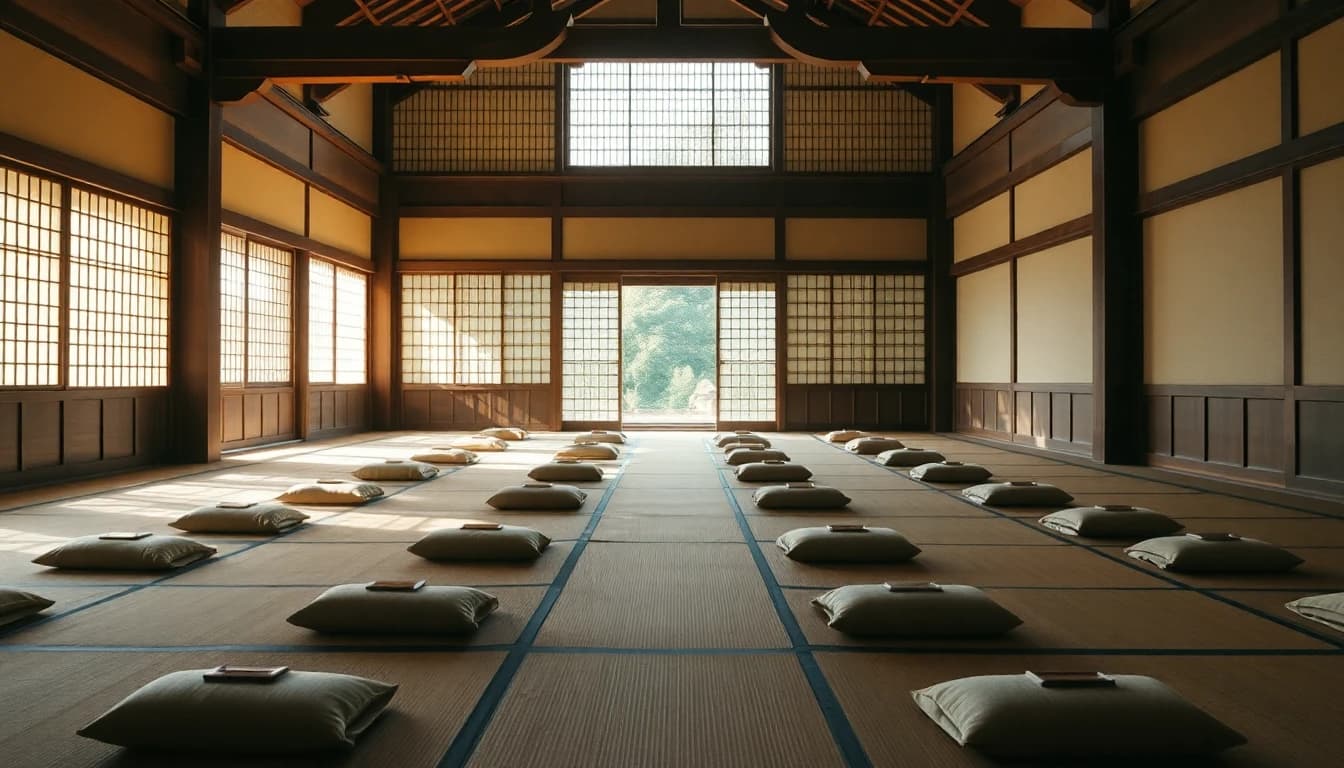
At 4:30 in the morning, a wooden clapper echoed down the corridor. I had been awake for twenty minutes already, staring at the ceiling of a tatami room in a 400-year-old Zen temple, listening to the kind of silence that only exists when you are surrounded by cedar forest and there is no Wi-Fi. By 5:00 I was seated on a zafu cushion in the main hall, facing a bare wall, breathing in the residue of sandalwood incense, while a monk behind me corrected my spine with a sharp tap of a flat wooden stick called a keisaku. The pain was brief. The clarity lasted the entire day.
That morning at a Rinzai Zen temple in Kyoto was my introduction to meditation in Japan -- not as a concept or an app, but as a physical, communal discipline rooted in a specific place and tradition. Japan did not invent meditation, but it perfected the architecture around it: the rooms, the rituals, the food, and the landscapes designed to strip away distraction and leave you alone with your breath.
This guide covers every major type of meditation retreat available in Japan, from austere Zen temple stays to silent Vipassana courses, yoga programs, and guided forest bathing. It includes seven specific recommendations across the country, practical booking details, cost breakdowns, and honest notes on what each format demands from you.
Types of Meditation Retreats in Japan
Japan offers four distinct categories of retreat, each with a fundamentally different philosophy, structure, and level of intensity.
1. Zen Temple Stays (Shukubo)
The most authentically Japanese option. You sleep, eat, and meditate inside a functioning Buddhist temple alongside monks who have followed this schedule for years or decades. The practice is zazen -- seated meditation facing a wall, typically in 25-40 minute sessions with walking meditation (kinhin) between rounds.
2. Vipassana Silent Retreats
Vipassana is a non-sectarian meditation technique from the Theravada Buddhist tradition, taught through intensive 10-day silent courses. Japan has two dedicated Vipassana centers affiliated with the international Dhamma network. These courses are free (funded by donations from previous students) and follow a rigorous schedule of approximately ten hours of sitting meditation per day (Source: Japan Vipassana Association).
3. Yoga and Wellness Retreats
Western-style yoga retreats have expanded significantly in Japan over the past decade. These programs typically blend yoga asana practice with Japanese cultural elements like onsen bathing, shojin ryori dining, and mindfulness walks. Durations range from weekend workshops to week-long immersions. English instruction is standard at most international-facing programs.
4. Forest Bathing (Shinrin-Yoku) Retreats
Shinrin-yoku, coined by Japan's Ministry of Agriculture in 1982, is the practice of slow, sensory immersion in forest environments. Japan has certified over 60 Forest Therapy Bases across the country, and research from Chiba University has documented measurable reductions in cortisol levels and improvements in immune function after just two hours of guided forest walking (Source: Environmental Health and Preventive Medicine, Li Q., 2010).
Top 7 Meditation Retreats Across Japan
1. Eko-in Temple, Koyasan (Wakayama)
- Type: Zen temple stay (Shingon Buddhism)
- Location: Mount Koya (Koyasan), Wakayama Prefecture
- Duration: 1-3 nights (minimum 1 night recommended, 2 nights ideal)
- Price: 12,000-25,000 yen per person/night including dinner and breakfast
- Language: English support available
- Capacity: Approximately 80 guests
- Access: 90 minutes by train from Osaka (Nankai Line to Gokurakubashi, then cable car)
Mount Koya is the spiritual center of Shingon Buddhism, founded by the monk Kukai in 816 CE. The mountain hosts over 50 shukubo (temple lodgings), but Eko-in stands out for its combination of authenticity and accessibility. The morning prayer ceremony (goma fire ritual) begins at 6:00 AM in a candlelit hall where monks chant sutras over a sacred fire. Guided meditation sessions are offered in English. The shojin ryori dinner -- served on lacquered trays in your private tatami room -- is among the finest vegetarian cuisine in Japan.
The evening walk through Okunoin cemetery, where over 200,000 stone monuments line a two-kilometer path through ancient cedar trees, is one of the most profound experiences available in all of Japanese travel.
(Source: Koyasan Shukubo Association)
2. Shunkoin Temple, Kyoto
- Type: Rinzai Zen temple stay
- Location: Myoshinji temple complex, Kyoto
- Duration: 1-2 nights, or day sessions (zazen workshops from 2 hours)
- Price: 6,000-8,800 yen per night (overnight stay); 3,000-5,000 yen (day workshops)
- Language: Full English (head priest studied in the US)
- Access: 10 minutes by bus from Kyoto Station
Shunkoin is unique among Kyoto's 2,000+ temples for its openness to international visitors and progressive outlook. Head priest Takafumi Kawakami studied comparative religion in the United States and conducts zazen workshops entirely in English, contextualizing Zen practice within neuroscience and mindfulness research. The temple has also become known for its LGBTQ-affirming stance, hosting same-sex wedding ceremonies in a country where legal recognition remains limited.
The workshops begin with a lecture on Zen philosophy, move into guided zazen (30-40 minutes of seated meditation), and conclude with a tea ceremony or calligraphy session. Overnight guests join the morning service at 6:30 AM.
(Source: Shunkoin Temple)
3. Shoganji Zen Retreat, Kunisaki Peninsula (Oita)
- Type: Soto Zen temple stay / homestay hybrid
- Location: Kunisaki Peninsula, Oita Prefecture (northern Kyushu)
- Duration: 2-7 nights recommended
- Price: 8,000-12,000 yen per person/night including meals
- Language: English (resident hosts are bilingual)
- Capacity: Maximum 4 guests at any time
- Access: 2 hours from Oita City by car, or shuttle from Oita Airport
Shoganji is the retreat for people who want to disappear. Surrounded by bamboo forest and a five-minute walk from a quiet beach, this small Soto Zen temple accepts only four guests at a time. The pace is gentle: morning zazen, communal shojin ryori meals prepared together, afternoon walks or work practice (samu) in the garden, evening meditation. There is no rigid schedule beyond the meditation sessions, and the bilingual hosts create an atmosphere closer to a family homestay than an institutional retreat.
The Kunisaki Peninsula itself is a remarkable destination -- a volcanic landscape dotted with stone Buddhas, Tendai temples, and terraced rice paddies that have been farmed for over a thousand years.
(Source: Shoganji Zen Retreat)
4. Dhamma Bhanu Vipassana Center (Kyoto Region)
- Type: 10-day Vipassana silent retreat
- Location: Rural area approximately 90 minutes from Kyoto City
- Duration: 10 days (non-negotiable)
- Price: Free (donation-based after completion)
- Language: English and Japanese instruction
- Capacity: Approximately 40-60 students per course
- Access: Shuttle from Kyoto provided on registration day
This is not a vacation. The 10-day Vipassana course follows a schedule designed by S.N. Goenka: wake at 4:00 AM, ten hours of seated meditation spread across the day, no speaking, no reading, no writing, no eye contact with other students. Meals are vegetarian and the last food of the day is served at 11:00 AM (only fruit and tea in the evening). The technique is taught progressively, starting with breath awareness (anapana) before moving to body scanning (vipassana proper) on day four.
The experience is physically challenging, emotionally intense, and -- for many participants -- genuinely life-altering. Apply through the official Dhamma.org website at least two months in advance; courses fill quickly.
(Source: Dhamma.org)
5. Beppu Zen Retreat (Oita)
- Type: Zen meditation retreat with cultural activities
- Location: Hiji-machi, near Beppu, Oita Prefecture
- Duration: 2-5 nights
- Price: 7,000-10,000 yen per person/night including meals
- Language: English
- Access: 20 minutes from Beppu Station
The Beppu Zen Retreat operates from a traditional Japanese guesthouse adjacent to GyaTeiJi, a Zen temple first established in 1346. Morning meditation with the temple community, calligraphy workshops, tea ceremony, and kimono dressing are regular offerings. The proximity to Beppu -- Japan's hot spring capital with over 2,800 individual springs -- means you can pair Zen practice with therapeutic onsen bathing, creating a combination that addresses both mind and body.
(Source: Beppu Zen Retreat)
6. Akame 48 Waterfalls Forest Therapy (Mie)
- Type: Guided shinrin-yoku (forest bathing) program
- Location: Akame 48 Waterfalls, Nabari, Mie Prefecture
- Duration: Half-day (3-4 hours) or full-day programs
- Price: 5,000-15,000 yen per person depending on program
- Language: Japanese (English guides available with advance booking)
- Access: 90 minutes from Osaka by train (Kintetsu Line to Akameguchi)
The Akame 48 Waterfalls trail follows a river gorge through primeval forest, passing a chain of waterfalls ranging from delicate cascades to thundering 20-meter falls. Certified forest therapy guides lead small groups through mindfulness walks, seated meditation beside waterfalls, and sensory exercises designed to activate the parasympathetic nervous system. The negative ion concentration near the waterfalls is among the highest measured at any Forest Therapy Base in Japan.
The area was historically a training ground for Iga ninja, and the juxtaposition of martial discipline and meditative practice mirrors something essential about Japanese approaches to mental focus.
7. Kamakura Zazen Experience (Kanagawa)
- Type: Zazen meditation sessions (no overnight)
- Location: Multiple temples in Kamakura (Engaku-ji, Kencho-ji, Jochi-ji)
- Duration: 1-2 hours per session
- Price: Free to 1,000 yen donation
- Language: Japanese (English instructions available at some sessions)
- Access: 55 minutes from Tokyo Station by JR Yokosuka Line
Kamakura is the birthplace of Japanese Zen Buddhism, and several major temples offer regular zazen sessions open to the public. Engaku-ji holds free zazen every Saturday and Sunday morning (6:00-7:00 AM), while Kencho-ji offers monthly sessions on designated days. These are not tourist activities -- you sit alongside local practitioners in a centuries-old meditation hall. The brevity makes Kamakura ideal for travelers based in Tokyo who want a genuine zazen experience without committing to a multi-day retreat.
What to Expect: Daily Life at a Retreat
A Typical Day at a Zen Temple Stay
- 4:30-5:00 AM -- Wake-up bell
- 5:00-6:00 AM -- Morning zazen (seated meditation) and sutra chanting
- 6:00-7:00 AM -- Light breakfast (rice porridge, pickles, miso soup)
- 7:00-9:00 AM -- Free time or samu (work practice: sweeping, raking, cleaning)
- 9:00-11:00 AM -- Guided meditation, calligraphy, or sutra copying
- 11:30 AM -- Lunch (shojin ryori: multi-course vegetarian meal)
- 12:00-3:00 PM -- Rest, walking meditation, garden contemplation
- 3:00-4:30 PM -- Afternoon zazen session
- 5:00 PM -- Dinner (light meal at temple stays, or main shojin ryori depending on the temple)
- 6:00-7:00 PM -- Evening zazen or free time
- 9:00 PM -- Lights out
What to Pack
- Loose, dark-colored clothing -- layers work best for cold meditation halls
- Warm socks -- temple floors are cold stone or wood, especially in winter
- Small cushion or travel zafu -- some temples provide cushions, but your own is more comfortable
- Minimal toiletries -- most temple stays provide basics but not luxury items
- Cash -- many temples do not accept credit cards
- A notebook -- if the retreat permits writing, journaling after meditation is valuable
- No expectations -- the retreat gives you what you need, not necessarily what you want
Cost Breakdown
Understanding the price range helps you choose the right retreat for your budget and goals.
- Vipassana 10-day course: Free (donation-based after completion). Estimated value of food and lodging: approximately 50,000-70,000 yen
- Koyasan temple stay (1 night): 12,000-25,000 yen per person including dinner and breakfast
- Budget temple stay (Kyoto/Kamakura): 6,000-10,000 yen per person/night with meals
- Mid-range Zen retreat (Shoganji, Beppu): 8,000-12,000 yen per person/night with meals
- Yoga/wellness retreat (3-5 days): 80,000-200,000 yen total depending on accommodation level
- Forest bathing session: 5,000-15,000 yen for a half-day guided program
- Kamakura zazen day trip: Free to 1,000 yen plus train fare (~1,500 yen round trip from Tokyo)
⚕️ Disclaimer
Booking Guide
When to Go
- Spring (March-May): Cherry blossom season adds visual beauty to temple grounds. Popular and crowded at famous temples. Book 1-2 months ahead for Koyasan
- Summer (June-August): Hot and humid at lower elevations. Mountain temples (Koyasan, Dewa Sanzan) are comfortable. Fewer crowds
- Autumn (October-November): Peak foliage season, especially in Kyoto and Koyasan. The most photogenic time for temple stays. Book early
- Winter (December-February): Cold, austere, and deeply atmospheric. Snow-covered temples create unforgettable meditation settings. Fewest visitors
How to Book
- Temple stays: Book directly through the temple website or the Koyasan Shukubo Association for Mount Koya. Booking.com and Agoda list some temples but charge platform markups
- Vipassana: Apply exclusively through Dhamma.org. No third-party bookings. Apply 2-3 months in advance
- Yoga retreats: BookRetreats.com and Retreat Guru aggregate English-language programs across Japan
- Forest bathing: Contact local tourism offices or certified Forest Therapy Bases directly. Visit Japan's regional tourism sites list programs by prefecture
Who Each Retreat Suits
- Complete beginners: Shunkoin Temple (Kyoto) or Kamakura day sessions. Low commitment, full English support, gentle introduction
- Serious meditators: Vipassana 10-day course. No compromise, no distraction, maximum depth
- Cultural explorers: Eko-in (Koyasan). The combination of Buddhist ritual, temple architecture, shojin ryori, and the Okunoin cemetery walk creates a multi-dimensional experience
- Solitude seekers: Shoganji (Kunisaki). Four guests maximum, rural isolation, bamboo forest and beach
- Mind-body balance: Beppu Zen Retreat + onsen. Meditation for the mind, hot springs for the body
Hiro's Experience: A Zen Temple Stay
I spent two nights at a Rinzai Zen temple during a period when I was sleeping badly and thinking too much. The temple was cold -- it was February, and the meditation hall had no heating. The monk who led the morning zazen session was younger than me, maybe twenty-five, and he moved through the hall adjusting our postures with an authority that had nothing to do with age.
The keisaku strike -- the flat wooden stick applied to the shoulder muscles during meditation -- is not punishment. You request it by pressing your palms together and bowing. The sharp crack releases tension in the trapezius muscles and snaps your attention back to the present moment. I requested it twice on the second morning. Both times, the pain was followed by a clarity that felt like the mental equivalent of a cold shower.
The shojin ryori meals were the other revelation. Each dish -- sesame tofu, simmered mountain vegetables, rice, pickled plum, miso soup -- was prepared with a precision that made eating feel like a continuation of meditation practice. No conversation during meals. Just the sound of chopsticks and bowls.
I slept well both nights. The thinking did not stop, but it became quieter, like a radio turned down to a volume where you can choose whether to listen. I still practice zazen at home most mornings. It is never as effective as it was in that temple, but the template the temple gave me -- sit down, face the wall, breathe, begin -- has not changed.
For more on Japan's wellness landscape, explore our meditation beginners guide for at-home practice techniques. If onsen bathing interests you alongside meditation, our hidden onsen guide covers springs across the country. And for travelers who want to combine craft and contemplation, our Japan artisan trail guide maps routes through regions where traditional making and mindful practice overlap.
Frequently Asked Questions
Written by Hiro Miyamoto
Founder & CEO of Scratch Second. Starting from corporate sales at a South American food supplier, Hiro went on to spearhead the Japan market launch as VP of Sales at a Silicon Valley foodtech company — placing products in 2,400+ convenience stores and supplying ingredients for an international expo. He currently leads business development across Asia at one of the world's largest tech companies. Off the clock, he's a dedicated yachtsman, yogi, and sauna enthusiast who writes about the intersection of modern healthtech and Japan's timeless wellness traditions.
Related Articles
travel
Wellness Tourism in Japan: 7 Hidden Onsen Towns for the Healing Traveler
Discover 7 secret onsen towns in Japan where ancient toji healing meets modern wellness tourism. Practical guide with budgets, access, and insider tips.
travel
Tea Ceremony Experience in Japan: A First-Timer's Complete Guide to Chado
Everything you need to know about experiencing a Japanese tea ceremony: etiquette, what to expect, best venues in Kyoto, Tokyo, and Kanazawa, and booking tips.
travel
Craft Tourism in Japan 2026: A Guide to Pottery, Bladesmithing & Indigo Dyeing
The complete guide to hands-on craft experiences in Japan for 2026. Pottery, bladesmithing, and indigo dyeing — with booking tips, prices, access, and recommended regions.