
travel · 12min read · 2026-02-16
Best Ryokan in Japan 2026: 7 Traditional Inns Worth Every Yen
Our tested guide to the 7 best ryokan in Japan for 2026. Compare prices, private onsen, kaiseki meals, and booking tips for luxury traditional Japanese inns.
Key Takeaways
- Seven top ryokan compared across onsen quality, kaiseki, and room design
- Luxury ryokan start at 60,000 yen per person per night with private rotenburo
- Natural spring water with no recirculation is the hallmark of the best onsen
- Kaiseki multi-course dinners showcase hyper-local seasonal ingredients
- The nakai-san room attendant system defines authentic omotenashi hospitality
What Makes a Great Ryokan?
A ryokan is not a hotel. It is an immersive ritual: the moment you slip off your shoes at the genkan (entrance), you enter a different rhythm. The criteria for a great ryokan come down to five non-negotiables.
- Onsen quality -- Source water matters more than decor. The best ryokan draw from natural springs (gensen kakenagashi) with no recirculation
- Kaiseki meals -- Multi-course dinners that showcase seasonal, hyper-local ingredients. Great kaiseki tells you exactly where you are on the map
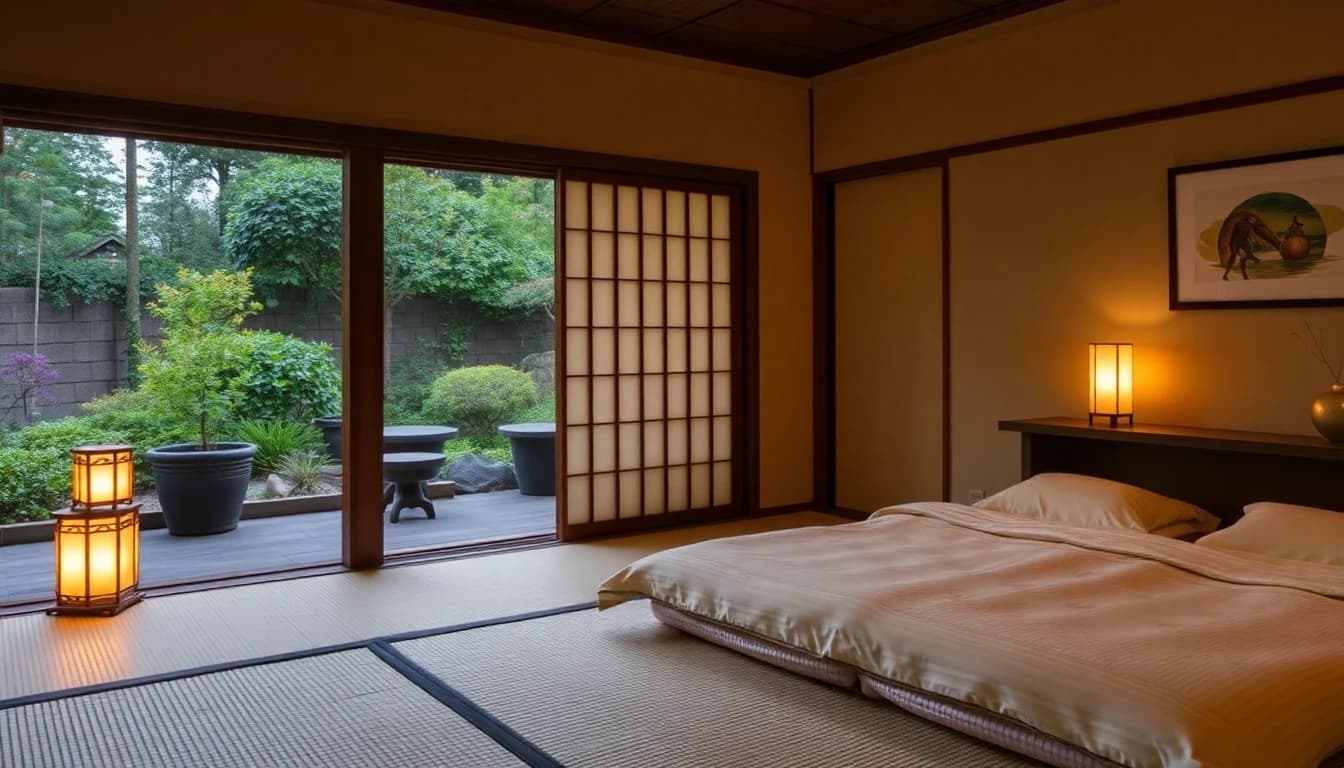
- Room design -- Tatami, shoji screens, and tokonoma alcoves create a sense of stillness. Private open-air baths (rotenburo) elevate the experience
- Omotenashi (hospitality) -- Attentive but never intrusive. The nakai-san (room attendant) anticipates needs without hovering
- Sense of place -- The ryokan should feel inseparable from its landscape: forest, river, coastline, or hot spring town
Price Tiers: What to Expect
- Budget (15,000-30,000 yen / $100-200) — Shared onsen, simple meals, basic tatami room
- Mid-Range (30,000-60,000 yen / $200-400) — Private bath in some rooms, refined kaiseki, attentive service
- Luxury (60,000 yen+ / $400+) — Private rotenburo in every room, multi-course kaiseki, world-class omotenashi
Master Comparison Table
1. Gora Kadan
- Region: Hakone
- Price: 76,000 yen+ ($505+) per person
- Private Onsen: Most rooms
- Meals: Dinner + Breakfast included
- Best For: Luxury benchmark, Tokyo access
2. Nishimuraya Honkan
- Region: Kinosaki
- Price: 50,000 yen+ ($333+) per person
- Private Onsen: Select rooms
- Meals: Dinner + Breakfast included
- Best For: Onsen town hopping, crab season
3. Beniya Mukayu
- Region: Kaga (Yamashiro)
- Price: 65,000 yen+ ($433+) per person
- Private Onsen: All rooms
- Meals: Dinner + Breakfast included
- Best For: Wabi-sabi design, total privacy
4. Kayotei
- Region: Kaga (Yamanaka)
- Price: 60,000 yen+ ($400+) per person
- Private Onsen: Select rooms
- Meals: Dinner + Breakfast included
- Best For: Kaiseki perfection, artisan visits
5. Hoshinoya Karuizawa
- Region: Nagano
- Price: 35,000 yen+ ($233+)* per person
- Private Onsen: No (shared)
- Meals: Separate charge
- Best For: Modern design, nature immersion
6. Sumiya Kiho-an
- Region: Kyoto (Kameoka)
- Price: 40,000 yen+ ($267+) per person
- Private Onsen: Select rooms
- Meals: Dinner + Breakfast included
- Best For: Kyoto base, value for quality
7. Lamp no Yado
- Region: Noto Peninsula
- Price: 30,000 yen+ ($200+) per person
- Private Onsen: Yes (cave baths)
- Meals: Dinner + Breakfast included
- Best For: Remote seclusion, supporting recovery *Hoshinoya Karuizawa is room-rate only. Breakfast (3,500 yen/person) and dinner are charged separately.
The 7 Best Ryokan in Japan
1. Gora Kadan (Hakone) -- The Luxury Benchmark
A former Imperial summer villa turned into one of Japan's most celebrated ryokan, where hot spring water flows freely from the source into your private bath.
- Price: From 76,000 yen/person ($505+); annex suites from 152,000 yen ($1,010+)
- Location: Gora, Hakone, Kanagawa Prefecture
- Rooms: 38 rooms and suites; 12 rooms with private open-air onsen
- Private onsen: Yes -- in-room rotenburo in most room types, plus 1 reservable private bath
- Meals: Kaiseki dinner + Japanese breakfast included
The property sits on the grounds of the former Kan'in-no-miya Villa -- a summer retreat once reserved for the Imperial family. That lineage shows in every detail: the manicured gardens, the unhurried flow of the indoor pool, the way staff bow at exactly the angle that conveys respect without performance.
The annex suites are the real prize. Detached from the main building, each has its own open-air bath fed by the property's natural hot spring. The water here is sodium chloride alkaline, silky on the skin, and genuinely different from the recycled water at lesser properties.
Editor's Pick: Best overall luxury ryokan. If this is your first splurge on a ryokan, Gora Kadan sets the standard.
Who it's for: Couples and travelers who want an uncompromising luxury ryokan within easy reach of Tokyo.
- How to book: Direct via gorakadan.com, or through Relux and Ikyu for occasional point deals
- Access: 90 minutes from Tokyo by Odakyu Romance Car to Hakone-Yumoto, then bus or taxi (15 min) to Gora
2. Nishimuraya Honkan (Kinosaki) -- 7 Onsen in One Town
A 170-year-old Relais and Chateaux member in Japan's most walkable onsen town, where your stay includes a pass to all seven public bathhouses.
- Price: From 50,000 yen/person ($333+); crab season (Nov-Mar) rates are higher
- Location: Kinosaki Onsen, Toyooka, Hyogo Prefecture
- Rooms: 34 rooms with traditional futon bedding and tatami floors
- Private onsen: Select rooms have in-room baths; all guests get the yumepa pass for 7 public bathhouses
- Meals: Kaiseki dinner + breakfast included; winter crab kaiseki is legendary
Kinosaki is unlike any other onsen town in Japan. Instead of soaking inside your ryokan, you slip into a yukata (cotton robe) and wooden geta (sandals), then stroll the willow-lined canal streets hopping between seven public bathhouses. Each has a different character: Goshono-yu has a multi-level outdoor bath facing a waterfall; Yanagi-yu is intimate and woody; Satono-yu offers a panoramic river view.
Nishimuraya Honkan has anchored this town since 1860. The kaiseki here shifts dramatically with the seasons -- but winter is the main event. Matsuba crab (zuwaigani), pulled from the Sea of Japan, arrives at your table still glistening. It is served seven ways across the meal: sashimi, grilled, steamed, in hot pot.
Honest caveat: Rooms are traditional but not as spacious as newer luxury ryokan. The magic here is the town itself, not the room size.
Who it's for: Travelers who want an active onsen experience -- walking, soaking, eating -- rather than staying inside one property.
- How to book: Direct via nishimuraya.ne.jp, or Booking.com and Ikyu
- Access: 2.5 hours from Osaka via JR Limited Express Konotori to Kinosaki Onsen Station (direct). From Tokyo: Shinkansen to Kyoto, then Limited Express (total ~4 hours)
3. Beniya Mukayu (Kaga) -- Wabi-Sabi Perfection
A Michelin Key-awarded, Relais and Chateaux ryokan where every one of its 16 rooms has a private open-air onsen overlooking the garden.
- Price: From 65,000 yen/person ($433+)
- Location: Yamashiro Onsen, Kaga, Ishikawa Prefecture
- Rooms: 16 rooms, all with private open-air hot spring baths
- Private onsen: Yes -- every room, no exceptions
- Meals: Kaiseki dinner + breakfast included; local Kaga cuisine with seasonal ingredients
Beniya Mukayu sits on a hillside above Yamashiro Onsen, a town where people have come for healing for over 1,300 years. The property embodies mukayu -- literally "without splendor" -- a philosophy of finding beauty in restraint. Bare plaster walls, hand-hewn wood, and carefully placed stones replace the ornate gold screens you find at flashier ryokan.
The private rotenburo in every room is the defining feature. Each overlooks a moss garden where the only sound is water trickling into stone. At Beniya Mukayu, the bath is not an amenity. It is the point.
Honest caveat: The location is remote. Yamashiro Onsen is not a lively town -- there is little to do outside the ryokan itself. That is either the appeal or the drawback, depending on your temperament.
Editor's Pick: Best design. For travelers who appreciate minimalism and want total privacy.
Who it's for: Design-minded couples seeking quiet immersion, not sightseeing.
- How to book: Direct via mukayu.com or email beniya@mukayu.com
- Access: 2.5 hours from Tokyo via Hokuriku Shinkansen to Kaga Onsen Station, then taxi (10 min). From Kanazawa: 30 minutes by JR
4. Kayotei (Yamanaka) -- Kaiseki as Art
A 10-room tea-house-style ryokan in a quiet hot spring village where the kaiseki dinner is served on locally crafted ceramic and lacquerware -- dishes you can visit being made the next morning.
- Price: From 60,000 yen/person ($400+); rates vary by season
- Location: Yamanaka Onsen, Kaga, Ishikawa Prefecture
- Rooms: 10 suites in sukiya (tea pavilion) style
- Private onsen: Select rooms; shared onsen also available
- Meals: Kaga-style kaiseki dinner + breakfast; organic, hyper-local ingredients
Kayotei is 20 minutes from Beniya Mukayu, but the experience is entirely different. Where Mukayu is about visual restraint, Kayotei is about sensory abundance -- specifically, the kaiseki. Each course arrives on a different piece of local craft: Kutani-yaki ceramics, Yamanaka lacquerware, hand-blown glass. The food and the vessel are inseparable.
What makes this ryokan singular is the artisan connection. The owner arranges visits to nearby workshops where guests watch the ceramicists and lacquer artists who made the very dishes they ate from the night before. It is a loop of making, serving, and appreciating that is difficult to find anywhere else.
Honest caveat: Booking directly can be challenging without Japanese. The Ryokan Collection and JTB offer English-language booking assistance.
Who it's for: Food lovers and craft enthusiasts who want to understand the story behind every course.
- How to book: Via The Ryokan Collection or kayotei.jp
- Access: 2.5 hours from Tokyo via Hokuriku Shinkansen to Kaga Onsen Station, then bus (30 min) or taxi (15 min). From Kanazawa: 1 hour by car
5. Hoshinoya Karuizawa (Nagano) -- Modern Meets Tradition
A 77-room resort by Hoshino Resorts that reimagines the ryokan concept: no rigid meal schedules, no dress codes, but the same forest-and-onsen immersion at its core.
- Price: From 35,000 yen/person ($233+) room only; breakfast 3,500 yen/person, dinner separate
- Location: Karuizawa, Nagano Prefecture
- Rooms: 77 rooms with heated floors; no private in-room onsen
- Private onsen: No -- shared Tonbo-no-yu hot spring (open 24 hours)
- Meals: Not included; on-site restaurant Kasuke serves Japanese-Western fusion kaiseki (reservations required)
Hoshinoya Karuizawa is the controversial pick on this list. Purists will argue it is a resort, not a ryokan. And they have a point: meals are not included, there are no private in-room baths, and the 77-room scale is far beyond a traditional inn.
But here is why it earns its place. The setting is extraordinary -- rooms are terraced along a mountain stream in a dense birch forest, each with floor-to-ceiling windows framing the valley. The shared Tonbo-no-yu onsen, fed by Karuizawa's natural springs, is open around the clock and rarely crowded.
The flexibility is the selling point. You eat when you want, dress how you want, and explore the Karuizawa plateau at your own pace. For travelers who find the rigid schedule of a traditional ryokan intimidating (dinner at 6, breakfast at 8, checkout at 10), Hoshinoya is a gentle entry point.
Best Value: The entry price is lower than any other property on this list, and the design quality rivals ryokan at twice the cost. Budget for meals separately.
Honest caveat: Without included meals, the final bill can approach luxury ryokan prices. Book dinner at Kasuke early -- it fills up.
Who it's for: Modern travelers, families, and first-timers who want onsen culture without strict ryokan etiquette.
- How to book: Direct via hoshinoresorts.com
- Access: 70 minutes from Tokyo by Hokuriku Shinkansen to Karuizawa Station, then shuttle bus (20 min)
6. Sumiya Kiho-an (Kyoto) -- City Ryokan Done Right
A 27-room ryokan tucked into the mountains just outside Kyoto, offering the onsen experience that central Kyoto ryokan cannot -- because central Kyoto has no natural hot springs.
- Price: From 40,000 yen/person ($267+); varies by room type and season
- Location: Yunohana Onsen, Kameoka, Kyoto Prefecture
- Rooms: 27 rooms; 10 with private open-air onsen, 2 with indoor onsen
- Private onsen: Yes in select rooms; plus 1 reservable private bath
- Meals: Kaiseki dinner + breakfast included; Kyoto-style cuisine with local mountain vegetables
Here is a fact that surprises many visitors: Kyoto city has almost no natural hot springs. The famous Kyoto ryokan -- Tawaraya, Hiiragiya -- are extraordinary, but they offer baths, not onsen. If you want both Kyoto culture and real geothermal water, you need to go 25 minutes west to Yunohana Onsen.
Sumiya Kiho-an occupies that sweet spot. The JR train from Kyoto Station to Kameoka takes 20 minutes, and the ryokan provides a shuttle from the station. You can spend the day at Kinkaku-ji and Fushimi Inari, then retreat to a mountain valley where the only sound is a river.
The rooms with private rotenburo are genuinely luxurious, and the kaiseki leans into Kyoto's gentler flavor profile -- dashi-forward, subtle, with seasonal mountain vegetables.
Honest caveat: It is not in Kyoto city itself. The 25-minute train ride is easy, but you will not walk out the door into Gion.
Who it's for: Kyoto-focused travelers who want a real onsen without sacrificing city access.
- How to book: Booking.com, Expedia, or direct via phone. English-language online booking is available on major platforms
- Access: 20 minutes from Kyoto Station via JR Sagano Line to Kameoka Station, then free shuttle (5 min). From Osaka: 50 minutes by JR
7. Lamp no Yado (Noto) -- Rebuilding After the Earthquake
A cliffside ryokan on the tip of the Noto Peninsula with cave onsen carved into the rock face, currently rebuilding after the January 2024 earthquake. A stay here is an act of support.
- Price: From 30,000 yen/person ($200+) historically; check current availability
- Location: Suzu, Noto Peninsula, Ishikawa Prefecture
- Rooms: Approximately 15 rooms perched on a cliff above the Sea of Japan
- Private onsen: Yes -- including cave baths carved into the coastal rock
- Meals: Dinner + breakfast included; seafood-focused with local Noto ingredients
Lamp no Yado was severely affected by the Noto Peninsula earthquake in January 2024. As of early 2026, it remains closed for reconstruction, though the broader Noto region is steadily reopening. Check their official site or contact them at info-lampnoyado@lampnoyado.co.jp for the latest reopening timeline.
Why include a closed ryokan? Because Lamp no Yado represents something important about ryokan culture: resilience. The Noto Peninsula has been welcoming travelers for centuries, and the community is rebuilding with extraordinary determination. When Lamp no Yado reopens, it will need visitors.
The property itself is like nowhere else in Japan. Built into a cliff face at the very tip of the peninsula, it is accessible only by a narrow coastal road. The cave onsen -- natural hot springs flowing through chambers carved into the rock -- feel primordial. At night, the only light comes from oil lamps (hence the name).
Honest caveat: Extremely remote even when open. The drive from Kanazawa takes 3+ hours. Check road conditions and accessibility before planning.
Who it's for: Adventurous travelers who want raw, untouched Japan -- and want to support earthquake recovery.
- How to book: Direct via lampnoyado.co.jp or call +81 768-86-8000 (check reopening status first)
- Access: 3-3.5 hours from Kanazawa by car via Noto Satoyama Expressway. No direct train; car or bus required
Best for Your Needs
- Best luxury: Gora Kadan — Imperial villa pedigree, flawless service, easy Tokyo access
- Best value: Hoshinoya Karuizawa — World-class design from 35,000 yen/person (meals separate)
- Best food: Kayotei — Kaga kaiseki served on locally crafted ceramics and lacquerware
- Best onsen: Nishimuraya Honkan — 7 public bathhouses + in-room options; unmatched variety
- Best for couples: Beniya Mukayu — Private rotenburo in every room, total seclusion
- Best design: Beniya Mukayu — Wabi-sabi minimalism recognized by Michelin
- Best for Kyoto trips: Sumiya Kiho-an — Real onsen 20 minutes from Kyoto Station
- Most adventurous: Lamp no Yado — Cliffside cave baths at the edge of Japan (when reopened)
When to Visit -- Seasonal Guide
- Cherry blossom (Late Mar - Mid Apr) — Best regions: Hakone, Kyoto, Karuizawa. Book 3-6 months ahead. Peak rates (+20-40%)
- Fresh green (May - Jun) — Best regions: All regions. Book 1-2 months ahead. Standard to moderate pricing
- Summer (Jul - Aug) — Best regions: Karuizawa (cool highlands), Noto (coast). Book 2-3 months ahead. Mixed pricing; highlands peak, lowlands dip
- Autumn foliage (Oct - Nov) — Best regions: Hakone, Kaga, Kyoto. Book 3-6 months ahead. Peak rates (+20-40%)
- Crab season (Nov - Mar) — Best regions: Kinosaki, Kaga. Book 2-4 months ahead. Kinosaki peaks; worth every yen
- Winter snow (Dec - Feb) — Best regions: Karuizawa, Noto, Kaga. Book 1-2 months ahead. Lower rates (except New Year's) Best overall timing: May-June and late September-October offer the best balance of weather, availability, and pricing. Avoid Golden Week (late April-early May) and Obon (mid-August) unless you book 6+ months ahead.
Practical Booking Tips
- Book direct for perks: Many ryokan offer room upgrades, welcome drinks, or late checkout for direct bookings that you will not find on aggregators
- Use Japanese booking platforms: Ikyu.com and Relux often have exclusive plans and lower rates than international platforms. Google Translate handles these sites well
- Booking.com works: For English-language ease, Booking.com has the widest ryokan inventory with free cancellation options
- The Ryokan Collection: A curated English-language booking service for premium ryokan, useful when the official site is Japanese-only
- Call for peak dates: During cherry blossom, autumn foliage, and New Year, phone reservations (in Japanese) often unlock rooms that appear sold out online
- Cancellation policies are strict: Most ryokan charge 50-100% for cancellations within 3-7 days. Read the fine print
- Arrive by 3-4 PM: Kaiseki dinner is typically served between 6-7 PM, and you will want time to bathe and settle in first
- Communicate dietary needs early: Ryokan can accommodate vegetarian and allergy requirements with advance notice (at least 1 week), but last-minute changes are difficult
Start Planning
A ryokan stay is not a line item on your itinerary. It is the emotional center of a Japan trip -- the night you will talk about for years. Whether you choose the imperial grandeur of Gora Kadan, the street-level soaking of Nishimuraya Honkan, or the quiet minimalism of Beniya Mukayu, book early and arrive with nothing on your schedule but rest.
For more on Japan's hidden wellness destinations, explore our guides:
Written by Hiro Miyamoto
Founder & CEO of Scratch Second. Starting from corporate sales at a South American food supplier, Hiro went on to spearhead the Japan market launch as VP of Sales at a Silicon Valley foodtech company — placing products in 2,400+ convenience stores and supplying ingredients for an international expo. He currently leads business development across Asia at one of the world's largest tech companies. Off the clock, he's a dedicated yachtsman, yogi, and sauna enthusiast who writes about the intersection of modern healthtech and Japan's timeless wellness traditions.
Related Articles
travel
Wellness Tourism in Japan: 7 Hidden Onsen Towns for the Healing Traveler
Discover 7 secret onsen towns in Japan where ancient toji healing meets modern wellness tourism. Practical guide with budgets, access, and insider tips.
travel
Tea Ceremony Experience in Japan: A First-Timer's Complete Guide to Chado
Everything you need to know about experiencing a Japanese tea ceremony: etiquette, what to expect, best venues in Kyoto, Tokyo, and Kanazawa, and booking tips.
travel
Craft Tourism in Japan 2026: A Guide to Pottery, Bladesmithing & Indigo Dyeing
The complete guide to hands-on craft experiences in Japan for 2026. Pottery, bladesmithing, and indigo dyeing — with booking tips, prices, access, and recommended regions.