
travel · 9min read · 2026-02-19
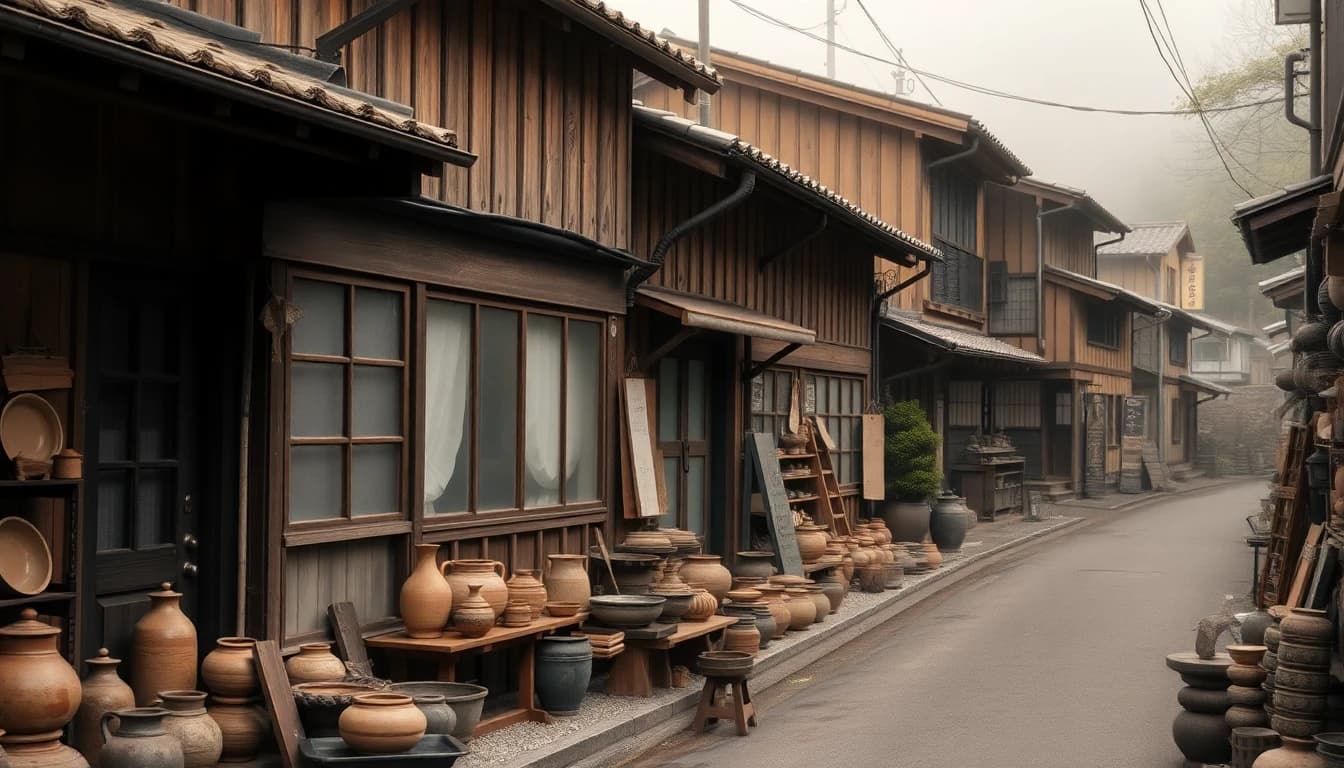
Beyond Tokyo: 7 Hidden Artisan Towns Worth the Journey
7 Japanese towns where centuries-old crafts are still made by hand.
Key Takeaways
- Seven artisan towns profiled: Sakai, Arita, Wajima, Imabari, Awaji, and more
- Sakai has been Japan's blade capital since the 16th century
- Arita's annual ceramics fair draws nearly one million visitors
- Each Wajima lacquerware piece passes through over 120 production steps
- Imabari towels must pass a five-second water absorption test for certification
The Japan Tourism Has Not Reached
Extraordinary experiences in quieter places.
1. Sakai
Knife capital. 98% of professional knives.
2. Arita
Porcelain. 400 years.
3. Wajima
Lacquerware. 124 steps.
4. Imabari
Premium towels.
5. Awaji
70% of incense.
6. Tsubame-Sanjo
Metalwork.
7. Nishijin
Silk since 5th century.
Written by Hiro Miyamoto
Founder & CEO of Scratch Second. Starting from corporate sales at a South American food supplier, Hiro went on to spearhead the Japan market launch as VP of Sales at a Silicon Valley foodtech company — placing products in 2,400+ convenience stores and supplying ingredients for an international expo. He currently leads business development across Asia at one of the world's largest tech companies. Off the clock, he's a dedicated yachtsman, yogi, and sauna enthusiast who writes about the intersection of modern healthtech and Japan's timeless wellness traditions.
Related Articles
travel
Wellness Tourism in Japan: 7 Hidden Onsen Towns for the Healing Traveler
Discover 7 secret onsen towns in Japan where ancient toji healing meets modern wellness tourism. Practical guide with budgets, access, and insider tips.
travel
Tea Ceremony Experience in Japan: A First-Timer's Complete Guide to Chado
Everything you need to know about experiencing a Japanese tea ceremony: etiquette, what to expect, best venues in Kyoto, Tokyo, and Kanazawa, and booking tips.
travel
Craft Tourism in Japan 2026: A Guide to Pottery, Bladesmithing & Indigo Dyeing
The complete guide to hands-on craft experiences in Japan for 2026. Pottery, bladesmithing, and indigo dyeing — with booking tips, prices, access, and recommended regions.