
craft · 10min read · 2026-02-17
Furoshiki Wrapping Guide: Techniques, Materials, and Modern Uses
Learn furoshiki wrapping techniques for bottles, boxes, and bags. Explore materials, history, and why this Japanese fabric wrap is the ultimate eco-friendly alternative.
Key Takeaways
- Furoshiki is a centuries-old Japanese wrapping cloth requiring no tape or scissors
- One cloth replaces hundreds of sheets of wrapping paper over its lifetime
- Specific folding techniques exist for bottles, boxes, and bags
- The practice dates to the Nara period around 710 AD
- Cotton and polyester chirimen are the most versatile materials for beginners
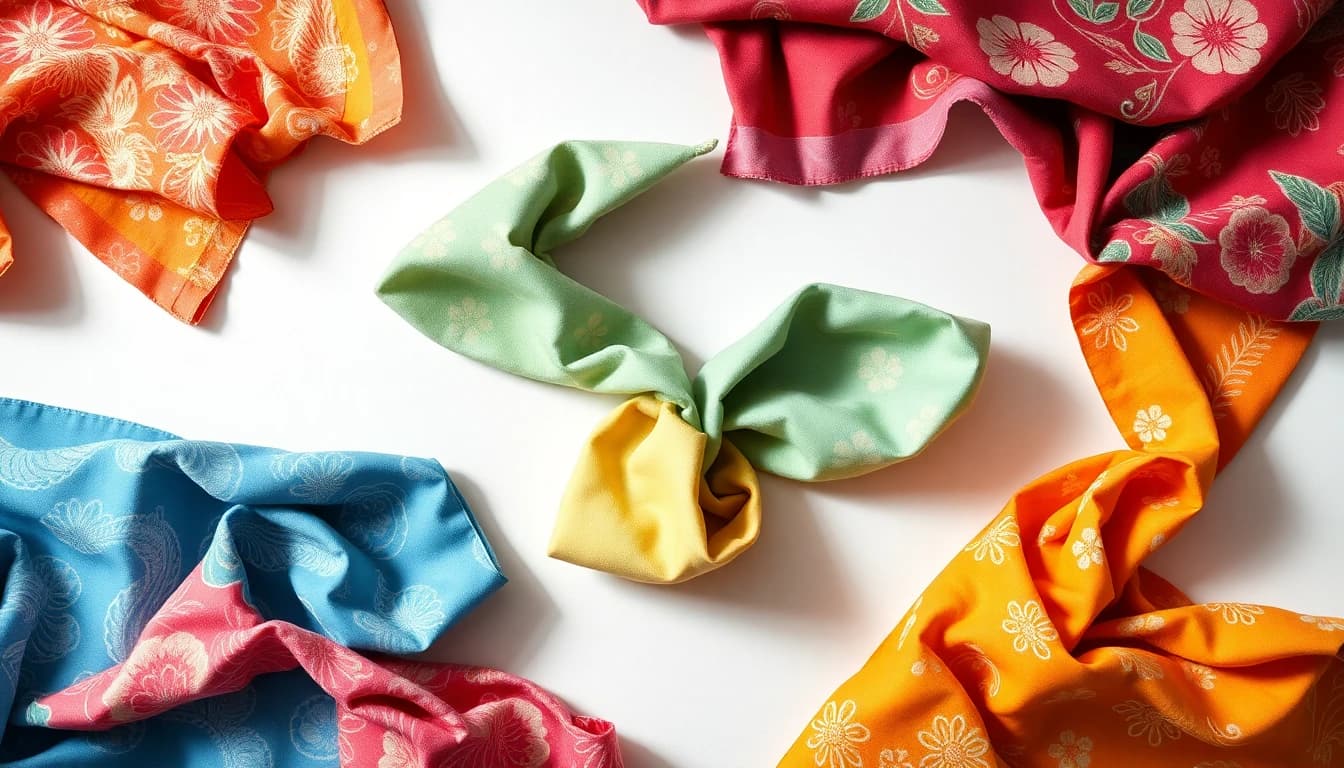
A single square of cloth. No tape. No scissors. No waste. In under sixty seconds, it becomes a wine bag, a book wrapper, a market tote, or a gift package elegant enough for a formal occasion. When the recipient opens it, the wrapping itself is part of the gift.
This is furoshiki -- Japan's centuries-old wrapping cloth that solves a problem the modern world is only now recognizing: the absurdity of wrapping beautiful things in materials designed to be torn apart and thrown away.
The concept is almost embarrassingly simple. A square piece of fabric, folded and tied. No adhesive. No single-use materials. The same cloth that wraps a birthday present on Saturday becomes a grocery bag on Tuesday, a laptop sleeve on Wednesday, and a tablecloth on Sunday. A single furoshiki replaces hundreds of sheets of wrapping paper, dozens of gift bags, and countless plastic bags over its lifetime.
This guide covers everything you need to begin: the history behind the practice, how to choose the right material, step-by-step wrapping techniques for the most common situations, and where to find quality furoshiki worth owning.
What Is Furoshiki?
Furoshiki (風呂敷) is a square piece of fabric used for wrapping, carrying, and presenting objects. The word translates literally as "bath spread" -- furo (bath) and shiki (spread) -- a name that traces back to the Edo period when bathers at public bathhouses used decorated cloths to bundle their clothing while they soaked.
But the practice is far older than the name. Japanese wrapping cloths appear in records from the Nara period (710-794 AD), where they were called tsutsumi (wrapping) and used to protect precious objects in temples. The oldest surviving wrapping cloth is preserved at the Shosoin repository at Todaiji temple in Nara (Source: Musubi Furoshiki, A History of Furoshiki).
What makes furoshiki different from simply wrapping something in fabric is the system of folds and ties that have been refined over centuries. There are specific techniques for specific shapes -- a bottle, a box, two bottles side by side, a watermelon, a stack of books. Each technique has a name, a logic, and an aesthetic standard.
A Brief History
Nara Period (710-794)
Temple caretakers wrap sacred objects in cloth called tsutsumi. The practice is purely functional -- protecting fragile items during storage and transport.
Heian Period (794-1185)
The imperial court adopts wrapping cloths for formal gift exchange. Nobles use cloths decorated with family crests to present gifts, establishing wrapping as an expression of respect and social awareness.
Muromachi Period (1336-1573)
The daimyo (feudal lords) use crested cloths at communal bathhouses to identify their belongings. The practice spreads among the samurai class, and the association with bathhouses gives rise to the name furoshiki.
Edo Period (1603-1868)
Public bathhouses become central to urban life. Merchants adopt furoshiki for transporting goods -- fabric, ceramics, food. Different wrapping styles emerge for different trades. The furoshiki becomes as common as a handbag is today.
Postwar Decline
Paper and plastic bags replace cloth wrapping in daily commerce. Furoshiki retreats from everyday life, surviving mainly in formal gift-giving and traditional ceremonies.
Modern Revival
Environmental awareness, minimalism movements, and a renewed appreciation for Japanese craft culture bring furoshiki back. In 2006, Japan's then-Environment Minister Yuriko Koike promoted furoshiki as an alternative to plastic bags. Today, sustainable fashion brands worldwide produce modern furoshiki from recycled polyester and organic cotton (Source: Savvy Tokyo, Furoshiki: A Reintroduction).
Choosing Your Material
The fabric determines everything: how the cloth drapes, how tightly it holds a knot, how it looks when finished, and how long it lasts. Here are the four main options.
Cotton (Momen)
The workhorse of furoshiki. Japanese cotton furoshiki is tightly woven, soft to the touch, and holds knots securely without slipping. Cotton takes dye beautifully, producing vibrant traditional patterns that deepen with washing. Machine washable and durable enough for years of daily use.
- Best for: Everyday wrapping, bags, gift wrapping, beginners
- Price range: $10-$40
- Sizes available: 45cm to 130cm
- Care: Machine wash cold, hang dry
Silk (Kinu)
The formal choice. Silk furoshiki have a luminous drape and elegant sheen that elevates any gift. Traditional chirimen (crepe silk) furoshiki have a distinctive pebbled texture that prevents slipping and adds tactile interest. Silk is more delicate and typically reserved for special occasions.
- Best for: Formal gifts, weddings, ceremonies, display
- Price range: $30-$200+
- Sizes available: 45cm to 90cm (larger sizes are rare and expensive)
- Care: Dry clean or gentle hand wash
Polyester
The practical modern option. Polyester furoshiki are water-resistant, wrinkle-resistant, machine washable, and available in bold contemporary designs. They hold bright colors that cotton and silk cannot match. Recycled polyester versions address environmental concerns about synthetic fabric.
- Best for: Rain, market bags, gift wrapping (when the cloth will not be returned), travel
- Price range: $5-$25
- Sizes available: 45cm to 130cm
- Care: Machine wash, tumble dry low
Rayon / Blends
A middle ground between cotton and silk. Rayon furoshiki offer a silk-like sheen at a cotton-like price. They drape well but wrinkle more easily than polyester. Often used for gift wrapping where appearance matters but budget is moderate.
- Best for: Gift wrapping, moderate formality
- Price range: $8-$30
- Sizes available: 45cm to 100cm
- Care: Hand wash recommended
Size Guide
Furoshiki come in standard sizes, each suited to specific uses.
- 45cm (chuu-haba): Small gifts, lunch wrapping (bento), handkerchief substitute
- 70cm (ni-haba): The most versatile size. Books, wine bottles, medium gift boxes
- 90cm (ni-shaku-haba): Larger gifts, grocery bags, shoulder bags
- 105cm (san-haba): Full-size bags, clothing wrapping, backpack-style carries
- 130cm (yon-haba): Large objects, tablecloths, travel wrapping, futon covers
Step-by-Step Wrapping Techniques
Modern Uses Beyond Gift Wrapping
Furoshiki's resurgence is not driven by nostalgia alone. The cloth format solves real problems that disposable alternatives create.
Everyday Carry
A 90cm cotton furoshiki folded into a tote bag is lighter than any reusable shopping bag, takes up less space in a pocket, and looks better at the market. Unlike structured bags, furoshiki bags conform to their contents -- a single cloth carries a watermelon as gracefully as a stack of books.
Travel
Furoshiki replace packing cubes, shoe bags, laundry sacks, and garment covers. A 105cm cloth wraps a jacket for carry-on storage. A 45cm cloth separates dirty socks from clean shirts. The same cloths become picnic spreads, beach cover-ups, or emergency rain shawls at the destination.
Zero-Waste Gift Wrapping
This is the use case driving Western adoption. Americans alone generate approximately 4.6 million pounds of wrapping paper waste per year (Source: Stanford Magazine, Holiday Waste Statistics). A single furoshiki replaces this cycle entirely. The wrapping becomes part of the gift. The recipient uses it, passes it on, or wraps the next gift.
Home Decor
Furoshiki with striking patterns serve as wall art (hung with a simple dowel), tablecloths, cushion covers, or fabric panels. A beautiful furoshiki draped over a shelf adds color and texture without permanent installation.
Where to Buy Quality Furoshiki
In Japan
- Musubi (Kyoto): Contemporary designs on traditional cotton and polyester. Strong online presence with international shipping
- Isehan-honten (Tokyo): Traditional patterns, established 1825. Focus on cotton and silk
- Yamada-sen-i (Kyoto): Founded 1937. Classic patterns on high-quality cotton. Available at department stores across Japan
- Tokyu Hands / Loft: Major lifestyle chains carry everyday furoshiki from $5-$30
Online (International Shipping)
- Musubi-furoshiki.com: Largest English-language selection. Ships worldwide
- Wrappr.com: Modern designs on recycled polyester. Founded in Canada with Japanese-inspired aesthetics
- Keiko Furoshiki: Artisan cotton furoshiki with original patterns. Ships from the US
- Amazon Japan (amazon.co.jp): Wide selection with international shipping options. Search furoshiki in English or Japanese
What to Look For
- Hemmed edges: Quality furoshiki have neatly hemmed edges, not raw-cut or heat-sealed
- Weight: The fabric should have enough body to hold a knot but enough drape to wrap smoothly
- Pattern placement: On well-made furoshiki, the pattern is centered and oriented for display when wrapped
- Size accuracy: Cheap furoshiki are often undersized. Measure if buying in person
Furoshiki in Japanese Textile Tradition
Furoshiki connects to a broader tradition of Japanese textile arts that spans centuries. The dyeing techniques used on traditional furoshiki -- shibori (tie-dye), katazome (stencil dyeing), yuzen (hand-painted resist dyeing) -- are the same techniques that produce Japan's most celebrated fabrics.
If furoshiki sparks your interest in Japanese textiles, explore our comprehensive guide to Japanese textiles and indigo dyeing for a deeper understanding of traditions like aizome (indigo), Nishijin-ori (Kyoto silk weaving), and kasuri (ikat).
The practical spirit of furoshiki also connects to the craft towns where these textiles are produced. Many of Japan's hidden artisan towns have textile workshops where you can watch furoshiki being dyed and printed by hand, and purchase directly from the maker.
For collectors interested in the broader Japanese craft market, our guide to the global Japanese crafts market provides context on how traditional textiles like furoshiki are finding new international audiences.
My Furoshiki Practice
I started using furoshiki for gift wrapping three years ago, almost by accident. A Kyoto shop clerk wrapped a purchase in a beautiful indigo-dyed cotton cloth, and the moment I saw it -- no tape, no waste, just fabric and intention -- I understood something about Japanese material culture that I had been reading about but not feeling.
Now I keep three furoshiki in rotation: a 70cm cotton for everyday gifts, a 90cm polyester for groceries and market runs, and a 105cm silk chirimen for formal occasions. The cotton one has been washed dozens of times and the indigo has softened into a color that no new cloth can match. It carries the memory of every gift it has wrapped.
The reactions from recipients are consistently the same: a pause, a touch of the fabric, and then the question -- "Is this part of the gift?" Yes. It always is.
Frequently Asked Questions
Written by Hiro Miyamoto
Founder & CEO of Scratch Second. Starting from corporate sales at a South American food supplier, Hiro went on to spearhead the Japan market launch as VP of Sales at a Silicon Valley foodtech company — placing products in 2,400+ convenience stores and supplying ingredients for an international expo. He currently leads business development across Asia at one of the world's largest tech companies. Off the clock, he's a dedicated yachtsman, yogi, and sauna enthusiast who writes about the intersection of modern healthtech and Japan's timeless wellness traditions.
Related Articles
craft
Wajima Lacquerware: Why Japan's Most Resilient Craft Deserves Your Attention
A complete guide to Wajima-nuri lacquerware — the 124-step process, how it compares to other Japanese lacquer, what to buy, where to buy, and how Wajima is r...
craft
Japan's Matcha Exports Surpass 10,000 Tons for the First Time in 71 Years
In 2025, Japanese tea exports exceeded 10,000 tons for the first time since 1954. Behind the matcha boom lies a deepening supply shortage, soaring prices, and a structural shift in Japan's tea farming industry.
craft
Why HOSOO Moves the World — A 327-Year-Old Nishijin Weaver's Path to Dior and Chanel
How HOSOO, a 327-year-old Nishijin-ori weaving house in Kyoto, became the textile supplier to Dior, Chanel, and Hermes. An in-depth look at their 150cm-wide loom innovation, LVMH partnership, and Milan expansion.